conference programme

Explore an unmissable conference programme featuring a diverse range of sessions, workshops, named lectures and keynote speakers designed to keep you at the forefront of diabetes care. Discover the latest innovations in technology and research, and take part in vital conversations on equity and patient care. Blending scientific insight with lived experience, the programme ensures you'll leave with practical learnings you can apply directly to your practice.


Sponsor disclaimer

This event is made possible by sponsorship from organisations including pharmaceutical companies, med tech companies and service providers none of which have influenced the event content or the choice of speakers. Sessions delivered with input from these organisations will be marked as such on the programme once released and a list of all sponsors and exhibitors can be found here.

day 1

Themes

Specialisms

08:00 - 09:00

08:00 - 09:00

Registration, exhibition and poster viewing

60 min

09:00 - 10:30

09:00 - 10:30

Opening plenary - No one left behind: Setting the national agenda for diabetes equity

90 min

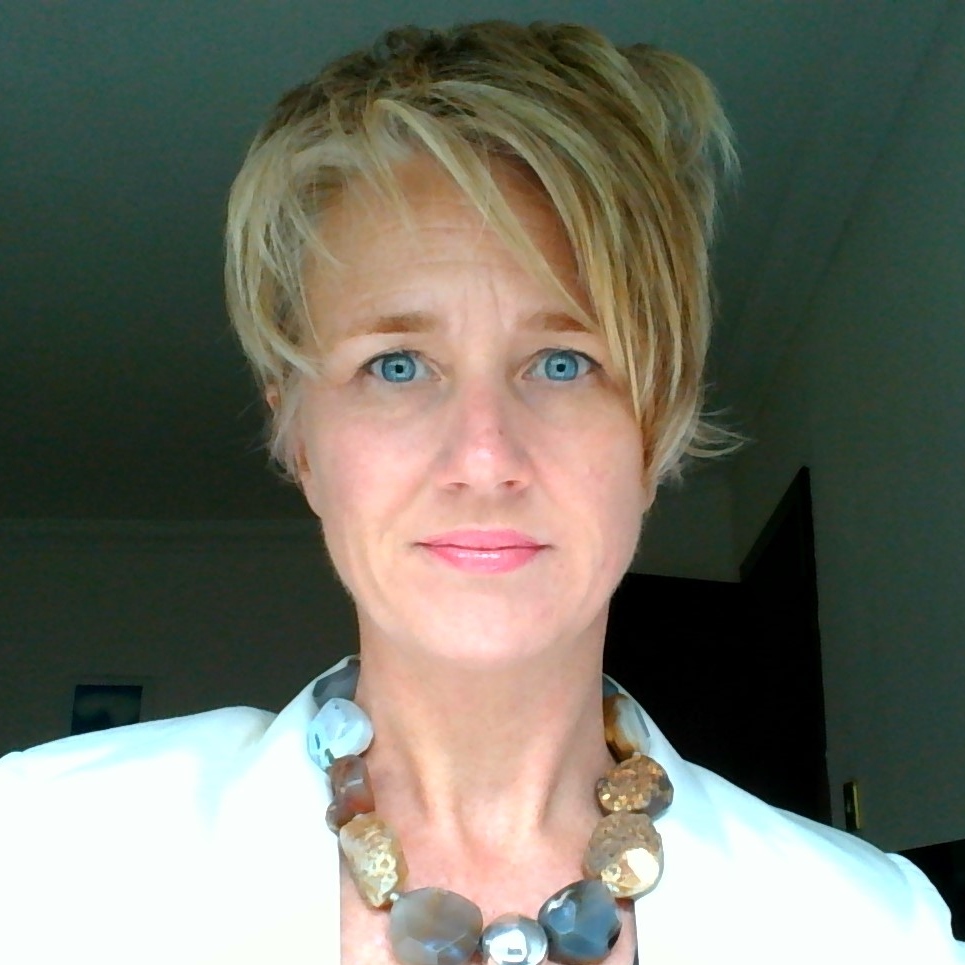
9:00 - Opening remarks: Colette Marshall, Chief Executive, Diabetes UK 

9:10 - Opening Plenary LectureBridging the inequalities in cardiometabolic care: From evidence to action

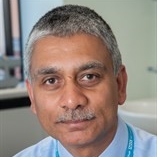
Professor Kamlesh Khunti, Professor of Primary Care Diabetes and Vascular Medicine, University of Leicester 

We are honoured to welcome Professor Kamlesh Khunti, one of the world’s leading voices in diabetes research, care delivery, and health policy.  Drawing on expertise that spans primary care, population health, and system-wide improvement, Professor Khunti will set the tone for the conference with a broad, forward-looking vision for the future of diabetes care. 

His plenary lecture will examine where inequities in diabetes care persist, and why acknowledging their existence is essential if we are to close the gaps.  He will highlight the collective responsibility of our professional communities to design services that leave no one behind, and to align our efforts with national priorities such as the Fit for the Future: 10-Year Health Plan for England. 

This opening session will establish the “why and how to overcome” that underpins the next three days, preparing delegates for deeper discussion across the full spectrum of diabetes science, clinical practice, and innovation.

09.50 - Data is power: How national intelligence can drive equity and quality in diabetes care

Dr Marc Atkin, National Specialty Advisor for Diabetes, NHS England & Dr Clare Hambling, National Clinical Director for Diabetes and Obesity, NHS England

Following the opening address from Diabetes UK and the opening plenary setting out our collective ambition to tackle diabetes health inequity, this centre-stage session brings together national leadership from NHS England to explore how data and intelligence can drive meaningful improvement in diabetes (and obesity) care.

Dr Clare Hambling and Dr Marc Atkins will share an open national update on key developments in the data landscape: highlighting emerging priorities, new opportunities, and how national intelligence can better support quality improvement, reduce unwarranted variation, and strengthen equity across systems.

The session will reflect on how established frameworks and datasets can be used more purposefully in today’s policy and financial climate, shifting the focus from data collection to insight, action and impact.

This session will also signpost to related symposia, workshops and professional interest network sessions across the next three days, helping delegates navigate where deeper dives into data, quality improvement, inequalities and service transformation will continue throughout the conference.

10:30 - 11:30

10:30 - 11:30

Break, poster viewing in Exhibition Hall

60 min

10:30 - 11:30

10:40 - 11:25

SS. 1 Sponsored session

45 min

10:40 - 11:25

SS. 2 - Continuous Glucose Management - The power of prediction

45 min

Unlock the full potential of Continuous Glucose Management technology by moving beyond real-time data to proactive glucose management. This session explores how predictive features can anticipate hypoglycaemia before it occurs. Helping translate complex data into actionable insights, this session aims to help attendees master the power of prediction.

10:35 - 11:25

Diabetes UK Professional Interest Network - Footcare

50 min

Session title: Spotting and escalating foot infections in primary care


Short presentations regarding spotting, and escalating foot infections in primary care followed by roundtable discussions.


Triage and management of emergency foot infection in community the DFEET Project 

Vanessa Golding, National Strategic Lead for Diabetes footcare 


Foot screening complexities in Primary Care 

Reena Patel, Practice Nurse, Spinney Hill Medical Centre, Leicester


ACT NOW foot triage update

Jayne Robbie, Specialist Podiatrist, University Hospitals Birmingham NHS Trust


Roundtable discussions 


Facilitator:  Joelle Baynham, Consultant Podiatrist - Diabetes Inpatients, University Hospitals Dorset NHS Trust

Chair: Vanessa Golding, National Strategic Lead for Diabetes footcare

11:30 - 12:10

11:30 - 12:10

A2 - Oral health and diabetes: The forgotten two-way street

Specialist care Clinical science

40 min

Themes: Overlooked complications, underserved topics

Oral health is one of the most overlooked components of diabetes care. Yet periodontal disease and diabetes exist in a harmful bi-directional relationship, each worsening the other and contributing to increased cardiovascular risk, impaired nutrition, and reduced quality of life.

These challenges are felt most acutely in disadvantaged communities, where access to dental services is limited, food insecurity is common, and inequalities in diabetes outcomes are already stark. For many people living with diabetes, poor oral health is not simply a dental issue, but a barrier to effective self-management, healthy eating, and overall wellbeing.

This session, led by the IDEAL Diabetes collaboration, will explore why oral health remains a missing piece in diabetes care pathways and how under-recognition contributes to avoidable harm. Using data on inequities in access to dental and nutritional services, alongside real-world patient journeys, the speakers will illustrate how oral health, diet, deprivation and diabetes complications intersect in everyday clinical practice.

Through perspectives from dentistry, diabetes care and lived experience, the session will highlight where current NHS pathways fail to join up, and how simple, team-based actions can begin to close these gaps.


11:30 - The current evidence base: understanding the intersection between oral health, diabetes inequity, and clinical outcomes.

Dr Zehra Yonel, Clinical Lecturer - Restorative Dentistry, University of Birmingham


11:40 - Where dental care fits within existing NHS diabetes pathways, and opportunities for better integration.

John Grumitt, Chair, IDEAL CIC & Ambassador, Diabetes UK & Person with type 1 diabetes lived experience


11:50 - A real-world lived experience of navigating NHS dental services at times of need while living with diabetes.

Dr Dominika Antoniszczak, Dentist with special interest in Periodontics and Diabetes & Founder, Periodontitis-Diabetes Hub & Person with type 1 diabetes lived experience


12:00 - Seeing the signs, facing the barriers and acting together.

Tara West, Dental Hygienist with specialist interest in diabetes and dental health

11:30 - 12:10

A3 - Tackling diabetes care inequity: Getting it right first time

Specialist care Primary care Community care Paediatrics

40 min

People living with diabetes who experience inequity in care are often those who face the greatest barriers to accessing healthcare. When engagement with services does occur, it may be brief or fragmented - meaning the window of opportunity to make a meaningful difference can be limited and must not be lost.

This places a responsibility on healthcare systems and professionals to ensure that every clinical encounter counts. “Getting it right first time” is not only about clinical decision-making, but about designing services, pathways, and environments that recognise disadvantage, reduce friction, and actively support engagement - particularly for those least able to navigate complex systems.

In this session, Prof Gerry Rayman, GIRFT Clinical Lead for Adult Diabetes Care, and Dr Fulya Mehta, National Speciality Advisor for Children and Young Adults, NHS England, will outline current and upcoming GIRFT diabetes initiatives across the life course. They will highlight how GIRFT’s work complements the strategic priorities of Diabetes UK and other national stakeholders, and how coordinated, system-level action can help level the quality of diabetes care - so that no opportunity for impact is missed, and no one is left behind.


11:30 - 11:50 - GIRFT Diabetes initiatives - adults

Professor Gerry Rayman, Consultant Diabetologist, Diabetes and Endocrine Centre, Ipswich Hospitals NHS Trust


11:50 - 12:10 - GIRFT Diabetes initatives - children & young adult

Dr Fulya Mehta, National Speciality Advisor for Children and Young Adults, NHS England

12:10 - 13:25

12:10 - 13:25

Lunch, poster viewing and exhibtion

75 min

12:10 - 13:25

12:20 - 13:10

Diabetes UK Professional Interest Network - Eye health

50 min

12:20 - 13:05

SS. 3 - sponsored session

45 min

12:20 - 13:05

SS. 4 Sponsored session

45 min

12:20 - 13:10

Diabetes UK Professional Interest Network - Basic and clinical research

50 min

Introduction and setting the scene - Dr Alexandros Liarakos


The ACF route: what it offers, what it doesn’t, and what I wish I’d known - Dr Angelica Sharma


The non-ACF route: lessons and experiences - Dr Gordon Sloan


Developing independence in diabetes research: experiences and key career decisions - Dr Ahmed Iqbal


Panel discussion and audience Q&A 

13:25 - 14:25

13:25 - 14:25

B1 - Closing the gaps: Mapping diabetes inequalities across healthcare and research

Specialist care Community care

60 min

Themes: Healthcare inequity

Specialisms: Community care and Specialist care

The symposium will open with two clinical case scenarios illustrating how unequal diabetes care plays out in real-world practice. There will be strong interaction between panel speakers and active engagement with delegates. The focus will be on solutions, framed around Diabetes UK’s latest strategy.

13:25 - 14:25

B2 - Breaking the cycle: Diabetes and mental health in high-risk adults

Specialist care Primary care

60 min

Themes: Youth, mental health

Specialisms: Specialist care and Primary Care


Integrating diabetes care into mental health settings, including managing high-risk cases.


13:25 - Introduction to mental health and high risk diabetes

Dr Christopher Garrett, Consultant in diabetes psychiatry, Bart's Health and East London Foundation Trust 


13:40 - Diabetes and Mental Health: Breaking the Cycle in Lothian

Catriona Howes, Consultant liaison psychiatrist, Western General Hospital in Edinburgh


13:50 - Recurrent DKA: using mental health law

Dr Fareed Oomer, ST6 Psychiatry trainee, Bart's Health and East London Foundation Trust 


14:00 - Recurrent DKA: should we try HCL for this? 

Dr Finola Cullenbrooke, ST6, Psychiatry, Bart's Health and East London Foundation Trust 


14:10 - 14:20 - A National DKA Prevention Pathway

Kirsty MacLennan, Consultant Clinical Psychologist


14:20 - 14:25 - Q&A

13:25 - 14:25

B3 - Beyond bump & baby: Navigating postnatal diabetes care gaps

Specialist care Clinical science

60 min

Themes: Diabetes & pregnancy

Specialisms: Clinical science and Specialist care


To summarise the latest research about optimal postnatal care in women with diabetes.


13.25 - 13.45 - Breastfeeding interventions in women with diabetes

Sarah Dib, Post-doctoral researcher, University of Leicester


13.45 - 14.05 - T2D and CVD after GDM: what are the risks?

Erica P Gunderson PhD, MPH, Professor, Department of Health and Systems Science, Kaiser Permanente Bernard J.Tyson School of Medicine


14.05 - 14.25 - Lifestyle interventions for prevention of future GDM and T2DM

Dr Abi Merriel, Senior Clinical Lecturer in Obstetrics and Honorary Consultant Obstetrician, University of Liverpool

13:25 - 14:25

B4 - Partnering for Progress: Driving Hybrid Closed Loop as Standard of Care with the Simplicity of Omnipod 5.

60 min

Let’s rethink what’s possible in diabetes care. Join Dr Hood Thabit, Dr Myuri Moorthy and Lead Diabetes Specialist Nurse Katie Hards to explore how innovative teams are making Omnipod® 5 accessible to everyone. Scalable starts. Multidisciplinary teamwork. Inclusive access. Partnering for progress starts here.

13:25 - 14:25

B5 - Artificial intelligence and diabetes nutrition: Friend, foe or future?

Specialist care Primary care Community care Paediatrics

60 min

INTERACTIVE

Themes: Tech, ethics


- Get ready to use your phones in this interactive exploration of AI in diabetes nutrition

- Practical demonstrations of AI tools currently available for dietitians and diabetes specialists

- Evaluate AI as a friend, foe, or the future of nutrition care through live examples

- Build confidence in safely integrating AI technology into everyday clinical practice

13:25 - 14:25

B6 - Foot infections in diabetes: Who Leads? Panel perspectives across pathways

Specialist care Primary care Community care Clinical science

60 min

INTERACTIVE

Themes: Complications, foot, MDT systems of care

Specialisms: Community care, Specialist care, Primary care


Short specialist MDT presentations then interactive panel discussion of challenges in managing infection across the healthcare environment to incorporate primary secondary care and microbiology, diabetes and vascular surgery.


Talk 1 - Overview of infection challenge FD UK / Wounds UK consensus document 

Professor Mike Edmonds, Consultant Diabetologist


Talk 2 - Diabetes inpatients - challenges in acute care front door emergencies and triage 

Joelle Baynham, Consultant Podiatrist


Talk 3 - Sole searching: Navigating antibiotic choices in the face of resistance 

Harriet Launders, Anti-Infectives Pharmacist


Talk 4 - Multi-resistant infection management and OPAT

Coming soon


Panel discussion & Q&A

13:25 - 14:25

B8 Oral abstract session - Basic Science

60 min

13:25 - 14:25

B9 - Career & collaboration - Supporting diverse talent in diabetes careers

Community care

60 mins

Theme: Career development

Specialism: Community care


Everyone in the diabetes community benefits if early career researchers and clinicians are able to fulfil their potential. This session will support academics and clinicians to consider barriers and enablers of diabetes careers for diverse groups.


13:25 - Supporting talented people from diverse ethnic groups: how can we do better?

Bernadette Adeyileka-Tracz , CEO, Diabetes Africa


13:45 - Neurodiversity and diabetes careers: how can we do better?

Almuth McDowall, Professor of Organisational Psychology , Birbeck University of London


14:05 - Building a healthy research culture: what are we aiming for?

Liz Simmonds, Head of Research Culture, University of Cambridge

13:25 - 14:25

13:25 - 14:25

Clinical Care: Healthcare Delivery & Improvement

13:25 - 13:30

A New Local Pre-Operative Diabetes Optimisation Service

Chelsea Henshaw, Foundation Year 2 Doctor, Princess Royal University Hospital

13:31 - 13:36

Are inpatients with hypoglycaemia managed as per Trust and Joint British Diabetes Societies (JBDS) guidance at Aintree University Hospital?

Amirah Husna Binti Noor Azman, Foundation Year 2 Doctor, Aintree University Hospital, University Hospitals of Liverpool Group

13:37 - 13:42

Reducing insulin errors in elderly inpatients with staff education and optimising bedtime snacks.

Amal Puri

13:43 - 13:48

Improving Inpatient Diabetes Care in the Frail Adult : A QIP based on JBDS guidelines(2023)

Varghese Vilangupara Benny, ST4 Specialty registrar in Geriatric Medicine, Nevill Hall Hospital

13:49 - 13:54

Inpatient admissions as opportunities to promote sustainable and safer diabetes care: real-world patterns of insulin pen device use in hospitalised adults

Shreyans Darla, Internal Medicine Trainee/Academic Clinical Fellow, UHB NHS FT/Aston University

13:55 - 14:00

Improving falls prevention through targeted risk assessment and interventions at a tertiary healthcare centre

Annette Loudon, Nursing Manager, Dasman Diabetes Institute

14:01 - 14:06

PenSwitch: a campaign promoting reusable insulin pens for sustainable diabetes care

Bethany Draper, Medical Student, University of Exeter Medical School

14:07 - 14:12

Using Indices of Multiple Deprivation (IMD) to Ensure Equitable Rollout of Hybrid Closed Loop (HCL) Technology Across an Affluent AYA Cohort

Melanie Pritchard, Diabetes Specialist Nurse, University Hospitals Dorset

14:13 - 14:18

Improving Access and Efficiency: Group Education for Initiating GLP1 receptor agonists and GLP1/GIP receptor agonists Therapy

Jacqueline Mc McGillivray, Senior Diabetes Specialist Nurse, NHS Grampian

14:19 - 14:24

Scaling preparedness: using primary care networks to reach Black women with diabetes earlier

Anita Banerjee, ST7 in diabetes / Diabetes registrar, Mersey and West Lancashire teaching hospitals NHS trust

13:25 - 14:25

Basic Science

13:25 - 13:40

Transdifferentiation of delta- to beta-cells is increased during mouse pregnancy and is altered by hyperglycemia

David Hill, Senior Scientist, Lawson Research Institute

13:40 - 13:55

Ethinyl estradiol improves glucose homeostasis and modulates pancreatic and gut endocrine function in female ob/ob mice

Ananyaa Sridhar, Research Associate, Ulster University

13:55 - 14:10

Synthetic estrogen exposure alters endometrial responses in streptozotocin-induced diabetic mice

Dawood Khan, Lecturer, Ulster University

14:10 - 14:25

Soluble L-Selectin as an immune marker in type 1 diabetes

Kathleen Gillespie, Professor, University of Bristol

14:35 - 15:15

14:35 - 15:15

C2 - FreeDM2: Core Gluco-Metabolic outcomes and implications for care

Specialist care Primary care Community care Clinical science

40 min

Thematic area: Health inequalities & equity 

Theme: Technology & innovation

Specialisms: Clinical science, Community care, Specialist care and Primary care


In this session, the chief investigators of the UK-based FreeDM2 randomised controlled trial will present the latest clinical outcomes on the use of continuous glucose monitoring (CGM) in people living with type 2 diabetes, building on insights from the landmark FLASH-UK study.

Speakers will focus on the core gluco-metabolic outcomes of FreeDM2, including HbA1c, CGM metrics, and therapy changes, and discuss their implications for future diabetes care strategy. The session will set the scene for the conference’s wider exploration of equity, opening discussion on how access to diabetes technologies might be more effectively levelled across both type 2 and type 1 diabetes populations.


14:35 - Introduction

Professor Pratik Choudhary, Professor in Diabetes, University of Leicester & Honorary Consultant in Diabetes, University Hospitals of Leicester NHS Trust (Chair)


14:40 - Study design, rationale and baseline data

Dr Lalantha Leelarathna, Clinical Associate Professor, Imperial College School of Medicine & Consultant in Diabetes, Imperial College Healthcare NHS Trust


14:50 - HbA1c (primary outcome) - CGM metrics and therapy changes

Dr Emma Wilmot, Associate Professor, University of Nottingham & Honorary Consultant Diabetologist, University Hospitals of Derby and Burton NHS Foundation Trust


15:00 - Cost-effectiveness analysis

Professor Rachel Elliott, Professor in Health Economist, University of Manchester


15:10 - Discussion and Q&A


Chair: Professor Pratik Choudhary, Professor in Diabetes, University of Leicester & Honorary Consultant in Diabetes, University Hospitals of Leicester NHS Trust

14:35 - 15:15

C3 - Low-carbohydrate diets for treatment of Type 2 diabetes (the DIAMOND trial)

Basic science Clinical science

This session will explore the evidence behind the use of low-carbohydrate diets for people living with type 2 diabetes, from research trials through to clinical practice. Alongside discussion of effectiveness and outcomes, this session will consider how these diets might practically be implemented and supported in routine NHS care. We will also share first-hand perspectives from practitioners delivering and supporting these interventions, offering insights into acceptability and translation into real-world delivery.

Speaker:

Dr Elizabeth Morris, University of Oxford

15.00 - Q&A

15:15 - 16:15

15:15 - 16:15

Break, poster viewing and exhibition

15:15 - 16:15

15:25 - 16:10

SS. 5 - Sponsored sessions

45 min

15:25 - 16:10

SS. 6 - Spotlight on Funding: An England Perspective

45 min

This spotlight session explores how automated insulin delivery services in England can navigate the evolving funding landscape. Anna Groom will share key lessons learned from the past two years, highlighting what has worked, what challenges services have faced, and how funding approaches continue to shift. Ideal for anyone looking to understand funding realities and prepare their service for future success.

15:20 - 16:10

Diabetes UK Professional Interest Network - Diabetes Specialist Nurses - Early Career

50 min

The Integrated Career and Competency Framework for Adult Diabetes Nursing has shaped diabetes specialist nursing practice for over two decades. As diabetes technologies and automated insulin delivery systems become embedded in routine care, the framework has been expanded to support nurses across community, primary, secondary, and inpatient settings. This Professional Interest Network session will explore how early-career diabetes specialist nurses can use the updated framework to build confidence, competence, and career development in an evolving clinical landscape.


Key learning points / take-home messages

1. How the updated competency framework supports early-career diabetes specialist nurses in maintaining safe, confident, and contemporary practice.

2. Understanding the new diabetes technologies competency, including automated insulin delivery systems and their application across care settings.

3. Using the framework to support career progression, professional development, and workforce readiness.

4. Preparing the diabetes nursing community for the next phase of diabetes care and population need.

16:15 - 17:15

16:15 - 17:15

D1 - Type 1 diabetes tech for all: Access, equity and engagement

Specialist care Primary care Community care Clinical science

60 min

Themes: T1D Tech, inequality


This symposium will explore how diabetes technology can be delivered more equitably and effectively for people living with type 1 diabetes. Drawing on clinical and psychiatric expertise, speakers will discuss the subtleties of individualising pathways to closed-loop care.

The session will also examine real-world adoption of continuous glucose monitoring (CGM) and closed-loop technologies, including how clinicians assess safety and accuracy when people present with commercially available devices. It provides the context for a linked interactive workshop the following day (G5 – Confidence with diabetes technology: clinical safety and care pathways), where highly complex case examples will be explored to build confidence in safer, person-centred technology access.

16:15 - 16:30 - The importance of CGM choice and accuracy

Dr Emma Wilmot, Associate Professor and Honorary Consultant Diabetologist, University of Nottingham and University Hospitals of Derby and Burton

16:30 - 16:45 - Hybrid Closed Loop rollout - Current progress and future system challenges

Dr Alistair Lumb, Consultant in Diabetes, Oxford University Hospitals NHS Foundation Trust & Chair, Diabetes Technology Network-UK

16:45 - 17:00 - Mental health considerations in HCL

Dr Chris Garrett, Consultant in Diabetes Psychiatry, Barts Health NHS Trust & East London NHS Foundation Trust 

17:00 - 17:15 - Supporting HCL in high-risk situations

Dr Peter Jacob, Consultant in Diabetes & Endocrinology, Barts Health NHS Trust

Chair: Dr Alistair Lumb, Consultant in Diabetes, Oxford University Hospitals NHS Foundation Trust & Chair, Diabetes Technology Network-UK

16:15 - 17:15

D2 - Diabetes research: A year in breakthroughs

Specialist care Primary care

60 min

Themes: Research & discovery

Highlighting three recent areas of cutting-edge world-leading diabetes breakthroughs from UK-based basic and clinical researchers. Includes basic and clinical obesity research as well as personalisation of glucose-lowering therapy.


16:15 - Obesity and overweight in type 1 diabetes: Impact of new technologies and drugs

Professor Helen Colhoun, AXA Chair of Medical Informatics and Life Course Epidemiology, University of Edinburgh 


16:35 - The hidden benefits of weight loss on fat tissues

Dr William Scott, Welcome Trust Clinical Research Career Development Fellow, Institute of Clincial Science, Imperial College London


16:55 - Advancing personalised treatment selection in type 2 diabetes: refinements to the Exeter 5-drug model

Pedro Cardoso, Postdoctoral Research Associate, Clinical and Biomedical Sciences, Royal Devon & Exeter Hospital, University of Exeter Medical School

16:15 - 17:15

D3 Poster Awards session

60 min

16:15 - 16:40 - Diabetes UK Nursing and Allied Healthcare Professional Diabetes Research Award

Chairs:

Dr Reza Zaidi, Consultant, Royal Liverpool & Broadgreen University Hospitals NHS Trust

Juliette Palmer, Diabetes Specialist Nurse, Brownlow Health Liverpool


16:50 - 17:15 - Diabetes UK Primary Care Award

Chairs:

Professor Samuel Seidu, Professor of Primary Care Diabetes and Cardiometabolic Medicine, University of Leicester

Nicola Milne, Practice Nurse, Northenden Group Practice

16:15 - 17:15

D4 - Sponsored session

60 min

16:15 - 17:15

D5 - Neurodivergent and learning-disabled people with diabetes: From childhood unmet needs to lifelong inequities

Specialist care Primary care Community care Paediatrics

60 min

INTERACTIVE

Themes: Neurodiversity, social care

With the increasing recognition and diagnosis of neurodiversity and more and more young people and adults with learning difficulties being supported to live independently, how can the diabetes healthcare community ensure equity of access to care and good outcomes?

Laurence Taggart has been working with focus groups of people with learning difficulties and diabetes to discover what is important for them and will share that information with the conference, giving insights in what we can do now and in the future to model services to meet their needs. Alison Holloway has many years' experience of working with young people with diabetes (both type 1 and type 2) and who are neurodivergent and will explain how that can impact on their ability to manage their diabetes plus give practical tips on how best to support them.

16:15 - What adults with intellectual disability and their carers tell us about diabetes care in the UK.

Professor Laurence Taggart, Professor of Implementation Science, Queen's University Belfast


16:35 - Supporting neurodivergence in diabetes care: Clinical Implications, adaptations and practical strategies

Alison Holloway, Specialist Diabetes Dietitians, Sheffield Teaching Hospitals NHS Trust 


16:15 - 17:15

D6 - Lived experience in diabetes: Stories, strengths and systems change

Specialist care Primary care Community care Paediatrics

60 min

Thematic area: Narrative, person-centred

Theme: Psychology & wellbeing in diabetes care, diabetes lived experience

Specialism: Community care, Specialist care, Paediatrics and Primary care


An interactive session with young people from the Together Type 1 team, giving an insight on the challenges of managing diabetes as a young adult, along with examples of effective working relationships with HCP and suggestions for how things can be improved in the future.


16:15 - Why I want to share my lived experience, and the difference it makes

Calum Skye, Young Leader, Together Type 1 from Diabetes UK


16.25 Grounding education in real life - the SEREN Connect experience

Sara Crowley, Diabetes Translational Care National Coordinator, NHS Wales


16:35 - Recipes for engagement 

Anita Sehdev, Youth Voice Advisor, Royal College of Paediatrics and Child Health


16:45 - A people-first communications approach - how Together Type 1 amplifies the authentic voice of people living with type 1 diabetes

Jon Matthias, Communications Manager, Together Type 1 from Diabetes UK


16:55 - Discussion and practical workshop facilitated by Young Leaders representing Together Type 1 from Diabetes UK

16:15 - 17:15

16:15 - 17:15

Diabetes UK Nursing and Allied Healthcare Professional Diabetes Research Award & Diabetes UK Primary Care Award

Diabetes UK Nursing and Allied Healthcare Professional Diabetes Research Award

16:15 - 16:20

Service evaluation of an inner London acute NHS trust to determine whether there is equitable access to insulin pumps for people with T1DM

Eva Sheriene Casiechetty, Diabetes Specialist Nurse, St. Georges NHS Hospital Trust

16:21 - 16:26

Can diet and lifestyle education supported by continuous glucose monitoring replace the need for insulin in type 2 patients referred to group start sessions?

Isabelle Harrison, Dietitian, Newcastle upon Tyne Hospitals NHS Foundation Trust

16:27 - 16:32

The reliability of NEWS2 score and White Cell Count in assessing diabetic foot infection

Stephanie Tang, Senior podiatrist, King's College Hospital NHS Foundation Trust

16:33 - 16:38

Impact of neurodivergence on diabetes care and clinical outcomes: A Systematic Review

Thomas Johnston, Diabetes Specialist Nurse, Guy's & St Thomas

16:39 - 16:44

Rising Demand for Inpatient Palliative Care Among Adults with Diabetes in the UK: A 9-Year Retrospective Analysis (2017–2025)

Jason Cheung, Consultant Diabetologist, Norfolk and Norwich University Hospital NHS Foundation Trust

Diabetes UK Primary Care Award

16:45 - 16:50

Progression from normal glucose handling to non-diabetic hypergycaemia – Development and Validation of an Incident Pre-diabetes Prediction Model

Aidan Ines, Chief Data Analyst, Nuffield Health Care

16:51 - 16:56

Managing diabetes mellitus in people with neuroendocrine tumours: pathophysiological insights and treatment approaches.

Muhammad Dr Associate Nizam, Associate Professor, SAPHO / Diabetes UK Aylesbury

16:57 - 17:02

Global guideline target achievements in glycaemic, blood pressure, and lipid control in type 2 diabetes: An updated meta-analysis of 1,618,972 participants

Ghanshyam Kacha, GP/Academic Clinical Fellow, University of Leicester

17:03 - 17:08

Changing pattern of GP referrals: experience from a community diabetes clinic

Jyoti Balani, Consultant Diabetologist, Epsom & St Helier NHS Trust

17:09 - 17:15

Discussion and closing remarks
16:15 - 17:15

Clinical Science

16:15 - 16:20

Type 1 diabetes risk in UK adults in the general population

Kathleen Gillespie, Professor, University of Bristol

16:21 - 16:26

Lower incidence of type 1 diabetes incidence in South Asian and Black children compared to White children: findings from a UK population-based study

Katie Young, Research Fellow, University of Exeter

16:27 - 16:32

Isle of wight diabetes project- early onset type 2 diabetes. A clinical review of classification leading to 10% reclassification

Hamid Mani, Consultant, Isle of Wight NHS Trust

16:33 - 16:38

Partitioned Polygenic Scores Reveal Mechanistic Heterogeneity in shared T2D and Hypertension Risk

Zhanna Balkhiyarova, Research Fellow, University of Surrey

16:39 - 16:44

Role of physiological measurement of insulin resistance and beta cell function in response variation to oral glucose-lowering therapy: TriMaster trial analysis

Catherine Angwin, Research Fellow, University of ExeterDiabetes UK Primary Care Award

16:45 - 16:50

Isle of wight diabetes project; GLP-1 based therapies drive superior metabolic outcomes in early-onest type 2 diabetes

Jay Saha, Doctor, Queen Alexandra Hospital

16:51 - 16:56

Exploring barriers and facilitators to the initiation of insulin therapy in people with type 2 diabetes from ethnic minority populations

Priscilla Katapa, University of Leicester

16:57 - 17:02

Rare variant analyses reveal lipid and red cell pathways affecting HbA1c accuracy

Camila Armirola Ricaurte, Postdoctoral Research Associate, University of Exeter

17:03 - 17:08

Optimising pre-pregnancy health in women with previous gestational diabetes mellitus on the island of Ireland: A qualitative study

Catherine George, PhD Candidate, Royal College of Surgeons in Ireland

17:09 - 17:15

Discussion and closing remarks
16:15 - 17:15

Basic Science

16:15 - 16:30

Islet RGS2 is downregulated in human obesity and CRISPR-Cas9 knock-out renders MIN6 β-cells susceptible to apoptotic stressors

Jessica Starikova, Research Associate, King's College London

16:30 - 16:45

Alyteserin-2a improved glucose tolerance, insulin secretion and insulin sensitivity in mice with diet-induced obesity-diabetes

Opeolu Ojo, Lecturer, University of Wolverhampton

16:45 - 17:00

Identification and validation of novel pancreatic acinar cell populations in type 2 diabetes

Ahmad Al Mrabeh, MRC Career Development Fellow, University of Edinburgh

17:00 - 17:15

Tocotrienol-Rich Fraction Confers Histological Renoprotection in a Type 2 Diabetic Rat Model

Christina Yap, Associate Professor, Monash University Malaysia

17:25 - 18:55

17:25 - 18:25

E1 - The diabetes health check: Policy, variation and the true cost of (in)equity

Specialist care Primary care Community care Paediatrics

60 min

Themes: Policy, quality improvement


- State of the Diabetes Nation from pre conception to the elderly frail population.

- Compare service delivery across the UK discussing variation of care delivery from primary care, paediatrics, young adults and secondary care services.

- Review the increase burden of meeting all care processes and providing access to technology and newer agents.

17:25 - 18:25

E2 - Beyond weight loss: GLP-1 therapies, bariatric surgery and the inequity challenge

Specialist care Clinical science

60 min

Themes: Complications, obesity, weight management, metabolic health


- Reviewing the latest evidence for weight loss surgery

- The role of weight loss surgery in diabetes care

- Debating the most effective treatments for diabetes and weight management

- The role of the bariatric surgeon in the diabetes MDT team


17:25 - Chairs opening remarks: 

Professor Ahmad Moolla, Honorary Consultant Physician, Royal Free NHS


17:27 - A summary of the latest evidence for bariatric surgery in people living with diabetes and how to present findings to patients

Professor Jane Blazeby, Professor of Surgery, University of Bristol and Honorary Consultant Surgeon, University Hospitals NHS Foundation Trust


17:41 - What is the evolving role of the bariatric surgeon and weight loss surgery as part of future multidisciplinary team services for diabetes care?

Professor Ahmed Ahmed, Consultant Surgeon and Clinical Professor in Metabolic Surgery, Imperial College Healthcare NHS Trust


17:55 - Why early large scale weight loss may be the future of diabetes care

Professor Naveed Sattar, Professor of Cardiometabolic Medicine & Honorary Consultant Physician, University of Glasgow


18:09 - Discussion and Q&A

17:25 - 18:25

E4 - Sponsored session

60 min

17:25 - 18:25

E5 - Neurobiology of obesity

Basic science

60 min

The session will cover the most recent new evidence on how the brain controls food intake and energy expenditure.

Themes: Inequalities, community engagement, service design, primary care


17.25 - Sensory regulation of metabolism

Sophie Steculorum, Prinicpal Invesitgator, Max Planck Institute for Metabolism Research


17.45 - New Insights into the Brain Control of Appetite and Obesity

Professor Lora Heisler, Professor of Human Nutrition, University of Aberdeen


18.05 - Sympathetic Neurobiology in Obesity

Professor Ana Domingos, Professor of Neuroscience, University of Oxford

17:25 - 18:25

E6 - Getting the diabetes diagnosis correct from the start - translating evidence and guidelines into clinical practice

Specialist care Primary care Community care Paediatrics Clinical science

60 min

INTERACTIVE

Themes: Clinical care & diagnosis, health inequalities, psychosocial impact

Specialisms: Clinical science, Community care, Specialist care, Paediatrics and Primary care


This workshop will cover the practical aspects of diabetes classification with an overview of the EASD/ADA consensus pathway for classification. It will showcase data from a novel prospective study of diabetes classification and include case based discussion on unusual presentations across different age groups, ethnicities and aetiologies.

17:25 - Chair's introduction


17:30 - Classifying diabetes at diagnosis, case discussions and insights from the StartRight prospective study

Professor Angus Jones, University of Exeter and Honorary Consultant Physician, Royal Devon University Healthcare NHS Foundation Trust


17:45 - Case studies to highlight the impact of ethnicity on classification

Dr Shivani Misra, Consultant Physician, Associate Professor and Head of Section Metabolic Medicine Imperial College London


18:00 - The EASD-ADA Management of type 1 diabetes in adults consensus report: differentiating type 1 diabetes from type 2 diabetes or monogenic diabetes

Richard Holt, Professor in diabetes and endocrinology, Faculty of Medicine, University of Southampton

17:25 - 18:25

E8 Oral abstract session - Clinical science

17:25 - 18:25

17:25 - 18:25

Young Diabetologist & Endocrinologist Travel Award

17:25 - 17:40

Quantifying Diabetes Stigma in the Inpatient Setting: A Service Evaluation Using SSCI-8

Thazin Wynn, Specialist Registrar, Norfolk & Norwich University Hospital

17:40 - 17:55

The Impact of Blood Pressure Variability and African-Caribbean ethnicity on the Progression of Diabetic Kidney Disease in Type 1 Diabetes

Murat Ozdede, Research Fellow, King's College London

17:55 - 18:10

Evaluating the Impact of Continuous Subcutaneous Insulin Infusion (CSII) on Retinopathy in people with Type 1 Diabetes within the first year of CSII initiation

Xi Tang Wen, Academic Clinical Fellow/IMT2, Norfolk and Norwich University Hospital

18:10 - 18:25

Discussion and closing remarks

17:25 - 18:25

Patient Education & Self-Management/Professional Education

17:25 - 17:40

The Diabetic Body: Young Women’s Experiences of Diabetes, Identity, and Body Image

Katie Lamb, Coventry University

17:40 - 17:55

SHIFT: Using conversation cards to build equity awareness in diabetes and pregnancy care

Jade Deacon Cummings, Midwife, Guy’s and St Thomas Hospital NHS Trust

17:55 - 18:10

Real-world Outcomes of Tirzepatide Use in a Diabetes Weight Management Clinic: A Retrospective Observational Study

Raghavendar Palani, ST7, University Hospital Birmingham

18:10 - 18:25

Assessing Resident Doctors' confidence and knowledge in insulin and prescriptions using paper drug charts

Henna Gill, FY2, University Hospitals Sussex

17:25 - 18:25

Clinical Science

17:25 - 17:40

Physical function in people living with Type 1 Diabetes

Sahar Khodabakhsh, Trial and Project Manager, Leicester Diabetes Centre

17:40 - 17:55

Functional data analysis of postprandial glucose responses to mixed-meals identifies latent phenotypes in Type 1 diabetes with divergent vascular risk profiles

Will Evans, Senior Lecturer Exercise Physiology, University of Sunderland

17:55 - 18:10

High-intensity interval training alters immune response to hypoglycaemia in people with type 1 diabetes and impaired awareness of hypoglycaemia

Catriona Farrell, Clinical Senior Lecturer, University of Dundee

18:10 - 18:25

Experience and acceptability of a reduced-energy whole diet intervention in women with gestational diabetes; A qualitative study of the DiGest trial

Laura Kusinski, Post-doctoral research associate, University of Leicester

day 2

07:45 - 08:45

07:45 - 08:45

Exhibition and poster viewing in Exhibition Hall

08:45 - 09:30

08:45 - 09:25

F1 - Named Lecture - Mary MacKinnon - 'Transforming Diabetes and Cardiometabolic Care: Person-Centred Innovation Across the Life course.'

08:45 - 09:25

F2 Symposium - UNBIASED Diabetes UK Study: Bridging the gap and addressing diabetes technology disparities in children and young people

Community care Paediatrics Clinical science

40 min

The Diabetes UK study UNBIASED (Understanding Inequalities and Barriers to Accessing Diabetes Technology in Children and Young People with Type 1 Diabetes) highlights significant disparities in access to diabetes technology for children and young people (CYP) with Type 1 diabetes in the UK, despite overall increased uptake. Recommendations from the study include improving awareness and healthcare policies to ensure equitable access to diabetes technologies, enhancing training and education for healthcare professionals, and prioritising inclusive decision-making with patients and families. The study calls for a multifaceted approach to bridge the gap in diabetes technology access, ensuring that all children and young people in the UK, regardless of their background or location, can benefit from access to diabetes technologies.


8:45am - Empowering families and healthcare professionals: Education, awareness and inclusive decision-making for diabetes technology access

Professor Nick Oliver, Professor of Human Metabolism & Consultant in Diabetes and Endocrinology, Imperial College Healthcare NHS Trust


9:00am - Recommendations from the Diabetes UK UNBIASED Study to address diabetes technology access disparities for children and young people

Professor May Ng OBE, Professor of Child Health, Edge Hill University & Consultant Paediatrician and Paediatric Endocrinologist, Mersey and West Lancashire Teaching Hospitals NHS Trust


9:15am - Discussion and Q&A

Professor Nick Oliver, Professor May Ng and Katie Lamb 

08:45 - 09:30

F3 - CGM, Driving, and the DVLA: What has changed and why it matters

Specialist care Primary care Community care

45 min

Specialisms: Community care, Specialist care and Primary care

Continuous glucose monitoring has been available in the UK for almost two decades and has been increasingly embedded in NHS-funded diabetes care since 2017. As CGM use has expanded rapidly, questions around its recognition in daily living, employment, and driving regulations have remained a source of uncertainty and debate.

In this session, Professor Pratik Choudhary and Professor Katharine Barnard-Kelly will review the latest updates to DVLA regulations relating to CGM, alongside emerging driving behaviours evidence. Speakers will explore how wider CGM access could support safe driving practices, particularly for individuals whose ability to meet regulatory requirements is affected by social determinants of health and structural inequities.

8:45am - New DVLA regulations regarding CGM

Professor Pratik Choudhary, Professor in Diabetes, University of Leicester & Honorary Consultant in Diabetes, University Hospitals of Leicester NHS Trust


9:00am - Glucose Monitoring & Driving Amongst Insulin-Treated Adults with Type 2 Diabetes: What Needs to Change?

Professor Katharine Barnard-Kelly PhD, Professor of Health Psychology, Spotlight-AQ Ltd


9:15am - Discussion and Q&A

09:35 - 10:35

09:35 - 10:35

G1 - Screening and preventing T1 diabetes - Promise, pitfalls and the price of progress

Specialist care Primary care Community care Paediatrics Clinical science

60 min

Themes: T1D immunology & immunotheraphy, population & health economics

The possibility of preventing type 1 diabetes is becoming tantalisingly ever closer. So how should we screen, who should we screen and what do we do about the people we already know about with positive diabetes autoantibodies but who have yet to develop full-blown diabetes?


9:35 - 9:47 - Update on screening efforts for T1D in children and young people

Dr Renuka Dias, Consultant Paediatric Endocrinologist, Birmingham Children's Hospital

9:47 - 9:59 - Update on screening efforts for T1D in adults

Professor Kathleen Gillespie, University of Bristol

9:59 - 10:11 - The UK Islet Autoantibody Registry and managing screen detected T1D in the NHS- Children and Young People

Dr Rachel Besser, Lead Consultant in Paediatric Diabetes, John Radcliffe Hospital, Oxford

10:11 - 10:23 - Implementation in the NHS

Dr Fulya Mehta, NSA for Paediatric Diabetes, NHS England

10:23 - 10:35 - Discussion and Q&A 

Chairs:

Dr Tabitha Randell, Consultant in Paediatric Endocrinology and Diabetes, Nottingham Children’s Hospital

Professor Susan Wong, Professor of Diabetes and Metabolism, Cardiff University & Honorary Consultant Physician in Diabetes, University Hospital Wales

09:35 - 10:35

G2 - Supporting midlife and beyond for women with diabetes

Specialist care Primary care

60 min

Themes: Life-course, women's health

Specialisms: Specialist care and Primary care


The session will address diabetes and menopause, highlighting symptom management, cardiovascular risk, hormone therapy, and sex-specific differences in diagnosis and care.

9:35 - Diabetes and menopause: symptoms, cardiovascular risk, hormone therapy, and related challenges.

Dr Itunu Johnson-Sogbetun, UK based portfolio GP (Consultant in Family Medicine)

9:55 - Consideration of sex and gender – from policy to practice

Dr Marina Politis, Academic Foundation Doctor, Newcastle

10:10 - Sex-specific differences in diagnosis

Louise Cooper, PhD candidate, MRC Epidemology Unit, University of Cambridge

10:25 - Q&A

09:35 - 10:35

G3 - Diabetes and cardiovascular disease: Ethnic disparities and missed chances

Specialist care Community care Clinical science

60 min

Themes: Complications, health inequality


- different ethnic perspectives on diabetes and cardiometabolic disease

- appreciating that different ethnicities may have different diseases trajectories

- appreciating that there are nuances and knowledge gaps when considering diabetes and ethnicity


9:35 - In people of African-Caribbean and African-American background?

Professor Janaka Karalliedde, Professor of Diabetes & Consultant Physician in Diabetes and Endocrinology, King's College London


9:50 - In people from a South East and East Asian background?

Professor Ahmad Moolla, Honorary Consultant Physician, Royal Free NHS


10:05 - In people from a South Asian background?

Professor Naveed Sattar, Professor of Cardiometabolic Medicine & Honorary Consultant Physician, University of Glasgow


10:20 - Discussion and Q&A


Chairs:

Professor Nita Gandhi Forouhi, Professor of Population Health & Nutrition, University of Cambridge

Professor Naveed Sattar, Professor of Cardiometabolic Medicine & Honorary Consultant 

09:35 - 10:35

G4 - CGM to Dual Ketone Sensing – Shaping Tomorrow's Diabetes Care

60 min

Diabetic Ketoacidosis (DKA) is a life-threatening emergency, often developing quickly and silently, and a major clinical and economic burden to the healthcare systems. This session will explore the biochemical pathways that lead to ketone production in people with diabetes, identify early clinical signs and symptoms in Type 1 and Type 2 diabetes. Recognising high risk scenarios, such as illness, pump failure, SGLT-2 inhibitor use and prolonged hyperglycaemia, the current management of DKA and what dual ketone sensing can offer.

This sponsored symposium is organised and supported by Abbott’s Diabetes Care.

09:35 - 10:35

G5 - Confidence with diabetes technology - clinical safety and care pathways

Specialist care Community care

60 min

INTERACTIVE

Themes: Overlooked complications, health inequality, women's health


As diabetes technology becomes more widely available, clinicians face difficult decisions about the safe and equitable use of diabetes technology for people with additional needs.

This interactive workshop focuses on real-world clinical decision-making through a series of case-based scenarios. This will include people with enduring mental health problems, neurodivergence and recurrent DKA. Speakers will explore how to risk assess and balance safer and equitable decisions about diabetes technology in complex and high-risk situations.

This workshop complements the symposium D1 – Type 1 diabetes tech for all: Access, equity and engagement, and focuses on practical approaches for safer technology use within everyday practice and local pump pathways.

09:35 - 10:35

G6 - Sustainability and environmental impact of diabetes care

Specialist care Primary care Community care

60 min

Ensuring equitable access to high-quality diabetes care must extend beyond the present to future generations. As diabetes prevalence rises, so too does the environmental and resource footprint of its management. Sustainable diabetes care is therefore not only operationally important, but ethically necessary.

This session will introduce the principles of environmental sustainability in diabetes care and examine the areas currently recognised as most resource-intensive across the care pathway. It will explore practical opportunities for change in community and primary care, outpatient services, and inpatient settings — identifying where individuals and teams can begin to act.

Bringing together professional expertise and lived experience voices, the session aims to stimulate meaningful, achievable action while safeguarding equity and long-term healthcare stewardship.

09:35 - 10:35

G9 - Career & collaboration - Navigating your diabetes career: Pathways, progression and purpose

09:35 - 10:35

09:35 - 10:35

Patient Education & Self-Management/Professional Education

9:35 - 9:40

Diabetes 8 care processes done in primary care setting

Esther Afetorgbor, Temple Hill Group

9:41 - 9:46

‘Missingness’ and the person-centred lived experience of diabetes-related amputation: an exploratory scoping review.

Jayne Robbie, Senior Lecturer/Senior Podiatrist, Birmingham City University/University Hospitals Birmingham NHS Trust

9:47 - 9:52

Diabetes in Mental health staff Education (DiME)

Jai Hill, DSN, University Hospitals Dorset

9:53 - 9:58

USING VIRTUAL EDUCATION BUNDLES TO IMPROVE DIABETES-RELATED KNOWLEDGE AMONG NURSING STAFF AT MERSEY & WEST LANCS (MWL) NHS TEACHING HOSPITALS

Natalia Watkinson, Diabetes Specialist Nurse, Mersey and West Lancashire Teaching Hospital

9:59 - 10:04

Improving access to clinical guidance: implementation of a 'Directory of Diabetes' within a secondary care setting

Susan Browne, Diabetes Specialist Nurse, Wirral University Teaching Hospitals Foundation Trust

10:05 - 10:10

Managing difficult conversations and delivering bad news: Communication skills training for podiatry staff in NHS Grampian

Sophie Mohamed, Health Psychologist, NHS Grampian

10:11 - 10:16

Perceptions of Continuous Glucose Monitoring among Patients with Diabetes

Kamal Amoako, Medical Student, University of Plymouth

10:17 - 10:35

Discussion and closing remarks

09:35 - 10:35

Clinical Care: Healthcare Delivery & Improvement Session

9:35 - 9:50

A regional diabetes classification hub: 1-year evaluation of a new pathway for classifying early onset type 2 diabetes

Carmel Halevy, Postgraduate Medical Education Fellow, Imperial College Healthcare NHS Trust

9:50 - 10:05

Identifying barriers to effective management of type 2 diabetes in pregnancy: qualitative analysis of a Patient and Public Involvement and Engagement activity

Kyla Fong, PhD student, University of Edinburgh

10:05 - 10:20

Improving Postpartum Diabetes Screening in Women with Gestational Diabetes: Impact of Education and Primary Care Reminders

Jaye Fish, Consultant, Scunthorpe General Hospital

10:20 - 10:35

A national survey to characterise the scope of interventions undertaken to tackle health inequalities in diabetes

Bhavna Sharma, Clinical PhD Student, Imperial College NHS Trust

10:35 - 11:35

10:35 - 11:35

Break, poster viewing in Exhibition Hall

60 min

10:35 - 11:35

10:40 - 11:10

SS.17 - Sponsored session

30 min

10:45 - 11:30

SS. 7 - Sponsored session

45 min

10:45 - 11:30

SS. 8 Sponsored session

45 min

11:35 - 12:35

11:35 - 12:35

H1 - The younger generations with type 2 diabetes: Early-onset, early barriers, and early interventions

Specialist care Basic science Clinical science

60 min

Themes: Young adults, paediatrics, health inequality

Specialisms: Basic science, clinical science and specialist care

Dedicated to young-onset type 2 diabetes in the context of health and research inequity.

11:35 - 12:35

H2 - Weight and muscle loss in diabetes

Basic science

60 min

Themes: Basic science, clinical science

Muscle wasting is a problem in diabetes. This is made worse by weight loss drugs, causing dramatic lean and fat mass loss. This session will cover mechanisms of muscle loss and strategies to mitigate muscle and strength loss


Talk 1 - Insulin resistance and the regulation of muscle mass in type 2 diabetes

Professor Francis Stephens, Professor of Exercise Physiology, University of Exeter


Talk 2 - Coming soon

Professor Matt Whiteman, Professor, Medical School, University of Exeter

11:35 - 12:35

H4 Sponsored symposium

60 min

11:35 - 12:35

H5 - Weight stigma in diabetes

Specialist care Primary care Community care Paediatrics

60 min

INTERACTIVE

Themes: Psychosocial, body image, complications

Join us for a skills focused workshop designed to help healthcare professionals reduce unintentional stigma in diabetes care. Drawing on lived experience, Diabetes UK survey insights, and practical behavioural science tools, this interactive session explores how clinical communication can influence patient trust, engagement, and outcomes. Leave with practical skills you can immediately apply to deliver more person centred, stigma free care.


11:35 - Welcome and scene setting

Dr Kirsty MacLennon, Consultant Clinical Psychologist, Clinical Lead, NHS Grampian Diabetes Managed Clinical Network

Jade Topping, Principal Practitoner Dietitan, T1DE Service for Cheshire and Merseyside


11:45 - Diabetes UK: Stigma survey findings

Hannah Greer, Campaigns Lead - Diabetes Stigma, Diabetes UK


11:50 - Lives experience perspective

Coming soon


11:55 - Panel discussion + interaction

All speakers


12:25 - Discussion and closing remarks

11:35 - 12:35

H6 - The diabetes resource challenge: Funding for fairer outcomes

Specialist care Primary care Basic science

60 min

INTERACTIVE

Themes: Health policy & commissioning, health inequality, cross-disciplinary service integration


- Discuss challenges in sharing resource

- Discuss priorities in providing diabetes care

- Review if the funding is shared appropriately, ie Primary/community secondary care along with medication and increase cost of technology

Specialisms: Community care, Specialist care & Primary care

11:35 - 12:35

H7 Facilitated posters session - Basic science

60 min

11:35 - 12:35

H8 Oral abstract session - Basic science

11:35 - 12:35

H9 - An update on ABCD activities

Clinical science

60 min

Specialism: Clinical science


A series of talks to update on what ABCD has been doing over the last 12 months – in particular, the audit activity, the strengthening of IT and IG issues, ongoing. There will also be an update on the work with partner organisations such as NHSE, SfE, and RCP and the issues concerning workforce.

11:35 - An update on ABCD activity

Professor Ketan Dhatariya, Chair ABCD and Consultant in Diabetes and Endocinology

11:55 - An update on ABCD audit activity

Dr Davide Iacuaniello, Consultant in Diabetes and Endocrinology, East and North Herts

Dr David Hopkins, Consultant in Diabetes and Endocrinology, Jersey

12:10 - Workforce issues within D&E

Dr Stella George, Consultant in Diabetes and Endocrinology, East and North Herts

12:25- Q&A

11:35 - 12:35

11:35 - 12:35

Diabetes UK Education and Self-management Award

11:35 - 11:50

Digital education platforms for Type 1 Diabetes: a systematic literature review of clinical, behavioural, and psychosocial outcomes

Nyi Nyi Soe, Student, Edge Hill University

11:50 - 12:05

Development of group education sessions for patients using hybrid closed loop technology: Looping Groups

Lisa Gaff, Specialist Diabetes Dietitian, Addenbrookes Hospital

12:05 - 12:20

Driving Advice for T2DM on Insulin Audit

Harmeet Makan, GPST2, Narborough Road GP Surgery

12:20 - 12:35

Discussion and closing remarks
11:35 - 12:35

Basic Science

11:35 - 11:40

Muscarinic receptor antagonists enhance neurite outgrowth in sensory neurons: identifying novel pathways for nerve repair in diabetic neuropathy

Paul Fernyhough, Academic Professor, University of Manitoba

11:41 - 11:46

Single-cell transcriptomics analysis of mouse and human islets identifies GPCR mRNA expression across distinct islet endocrine cell populations.

Zekun Lyu, Post-doctoral Research Associate, King's College London, Guy's Campus

11:47 - 11:52

HDAC6 inhibitors reduce STAT3 activation and signalling in beta cells

Tia Huang, Student, University of Exeter

11:53 - 11:58

Distinct Innate Immune Patterns Accompany Hepatic Necrosis and beta Cell Stress After Intraportal Islet Transplantation in Mice

Angus Comerford, PhD Student, University of Edinburgh

11:59 - 12:04

Metformin and semaglutide decrease microglial metabolic and stress responses under diabetic-like conditions

Natasha Macdonald, PhD Student, University of Exeter

12:05 - 12:10

Ferroptosis in diabetic myopathy

Aysha Ali

12:11 - 12:16

A targeted epi-drug screen identifies HDAC6 inhibition as an enhancer of beta cell function and immune evasion

Steven Millership, Research Fellow, Imperial College London

12:17 - 12:22

Comparative evaluation of INS-1(832/13) and INS-1E cell lines as in vitro models for fatty acid–induced lipotoxicity in type 2 diabetes

Anna Reznik, Student, University of Edinburgh

12:23 - 12:35

Discussion and closing remarks

11:35 - 12:35

Basic Science

11:35 - 11:50

Human EndoC βH5 pseudoislets retain glucose sensitivity after prolonged culture and are functional after transplantation into mice

William Blackstone Whines, Research Assistant, Kings College London

11:50 - 12:05

Determining the safe dose of poly(lactic-co-glycolic) acid (PLGA) microparticles for a liver-targeted islet transplantation co-therapy

Sol Olivera, Postdoctoral Research Fellow, University of Edinburgh

12:05 - 12:20

Repurposing of Histone deacetylases (HDAC) inhibitors as a new therapeutic strategy for type 1 diabetes?

Emma Haxton, PhD Student, University of Exeter

12:20 - 12:35

Incretin and apelin receptor co-agonists demonstrate potent insulinotropic and beta-cell protective effects

Finbarr O'Harte, Professor of Endocrinology & Metabolism, Ulster University

12:35 - 13:50

12:35 - 13:50

Lunch, poster viewing and exhibition

75 min

12:35 - 13:50

12:45 - 13:30

SS. 9 - Sponsored session

45 min

12:45 - 13:30

SS. 10 - Evidence to Action – CGM Benefits for Non Intensive Insulin Therapy

45 min

Continuous Glucose Monitoring (CGM) has traditionally been associated with intensive insulin therapy, but a growing body of evidence shows that its benefits extend meaningfully to people with type 2 diabetes who use basal only insulin or non insulin therapies. This session highlights the shift from theory to practice.

This sponsored symposium is organised and supported by Abbott’s Diabetes Care.

13:50 - 14:50

13:50 - 14:50

J1 - Sponsored session

60 min

13:50 - 14:50

J3 Facilitated posters session - Clincal Care: Healthcare Delivery & Improvment

13:50 - 14:50

J4 Oral Awards session - Diabetes UK Early Career Investigator Award

60 min

13:50 - 14:50

13:50 - 14:50

Clinical Care: Management and Prevention

13:50 - 14:05

A Systematic Review and Meta-analysis of the relative benefit of dual vs single oral oral hypoglycaemic therapy following diagnosis with type 2 diabetes (T2D)

Adrian Heald/Mairead Kelly

14:05 - 14:20

One-year glycaemic outcomes following total pancreatectomy and islet auto-transplantation: a UK single centre experience

Aleksandra Dunin Borkowska, Resident Doctor, King's College Hospital, Diabetes Department

14:20 - 14:35

Postpartum glucagon-like peptide-1 receptor agonist use is associated with a decreased risk of adverse obstetrical outcomes

Megan Heague, Specialised Foundation Year 2 Doctor, Royal Liverpool University Hospital

14:35 - 14:50

Assessing the Efficacy of Incretin Mimetics on Metabolic Outcomes in Adolescents and Adults with Type 1 Diabetes Mellitus: A Systematic Review and Meta-Analysis

Wajiha Gul

13:50 - 14:50

Clinical Care: Healthcare Delivery & Improvementl Science

13:50 - 13:55

Next-Gen Diabetic Foot Care: Developing a Virtual MDT Connecting Primary and Secondary Teams

Nadine Price, Consultant in Diabetes and Endocrinology, North East London NHS Foundation Trust

13:56 - 14:01

Things women with gestational diabetes would prefer you didn’t say and what to say instead: findings from a co-design study to produce anti-stigma interventions

Rita Forde, Senior Lecturer, University College Cork

14:02 - 14:07

Retrospective analysis of eligibility for GCK testing in a diabetes antenatal clinic

Jessica Williams, Foundation Y2 doctor, Somerset NHS Foundation Trust

14:08 - 14:13

Improving pre-pregnancy care for women with type 2 diabetes (T2D): do referrals to our secondary care preconception clinic represent our T2D population?

Emily Melon, IMT3, Manchester Foundation Trust

14:14 - 14:19

Number of patients with Type 1 Diabetes achieving HbA1c target of 58mmol/mol or below increased from 18.3% to 33.3% at Aintree University hospital over 5 years

Sabnam Samad, Consultant Physician, Aintree University Hospital

14:20 - 14:25

Economic Value of Continuous Glucose Monitoring: Evidence across Settings and Populations

Mohammed Ahmed, ST7 Diabetes & Endocrinology, The Christie Hospital

14:26 - 14:31

Comparing the utility of the Oral Glucose Tolerance Test in diagnosing gestational diabetes in pregnancy after bariatric surgery

Rajalakshmi Valaiyapathi, Doctor, Imperial College London

14:32 - 14:37

Integrated diabetes and eating disorder care: outcomes of a part-funded trial service for people with type 1 diabetes and disordered eating in North-East London

Sarah Alicea, Doctoral Student & Clinical lead T1DE, University of Warwick / Barts Health

14:38 - 14:50

Discussion and closing remarks

13:50 - 14:50

Diabetes UK Early Career Investigator Award

13:50 - 14:05

Anti-inflammatory protection of early vs delayed empagliflozin on monocyte-derived macrophages from patients with type2 diabetes and acute myocardial infarction

Joanna K Ward , PhD Student, University of Lincoln

14:05 - 14:20

Mesenchymal stromal cell secretory peptide cocktail improves stem cell derived islet survival and function

Rosie Sullivan, Research Assistant, King's College London

14:20 - 14:35

Mesenchymal stromal cells (MSCs) promote extracellular matrix (ECM) deposition in reformed islets and improve function

Lydia Daniels Gatward, Research Fellow, King's College London

14:35 - 14:50

Trends in total daily dose and variability of insulin requirements in newly diagnosed children and adolescents with type 1 diabetes (T1D) over 48 months

Chloë Royston, PhD Student, University of Cambridge

15:00 - 16:00

15:00 - 16:00

K1 - Diabetic kidney disease: Early identification, slowing progression

Specialist care

60 min

Themes: Complications, renal

Specialisms: Specialist care


This session will cover:

1. What is the state of the art in early detection of diabetic kidney disease?

2. How can we prevent progression to end stage kidney disease and reduce risk of cardiovascular complications?

3. Does technology help in the management of people with diabetes on renal replacement therapy?


15:00 - Early detection and management of DKD: state of the art

Professor Janaka Karalliedde, Professor of Diabetes & Consultant Physician in Diabetes and Endocrinology, King's College London

15:25 - Diabetes and renal replacement therapy: can technology help?

Dr Parizad Avari, Consultant Diabetologist, Imperial College Healthcare Trust, London

15:50 - 16:00 - Q&A


Chair: Tahseen A. Chowdhury, Consultant in Diabetes, The Royal London Hospital

15:00 - 16:00

K2 - Equity at the bedside – Achieving parity in inpatient diabetes care and research

Specialist care Clinical science

60 min

Variation in inpatient diabetes care is well documented, yet its impact on underserved and vulnerable populations is often overlooked. This session will explore how inequities manifest in hospital care: from access to specialist teams and variation in day-to-day inpatient management, to disparities in technology use, staff education, and the systems and frameworks required to deliver high-quality care.

Speakers from across organisations including JBDS, the Royal College of Physicians, NHS England, NHS Digital, and Diabetes UK’s Research Steering Group will highlight how research and audit data, alongside standardised competency frameworks for acute hospital trusts, can expose and address these gaps. Through practical examples of interventions that have improved parity in services, delegates will gain strategies to deliver consistent, high-quality, person-centred care for every person admitted to hospital with diabetes - regardless of background or postcode.


15:00 - Standardising the inpatient diabetes care delivery framework for NHS acute hospitals (1)

Eva Lynch, Diabetes Project Manager - Diabetes Care Accreditation Programme, Royal College of Physicians


15:10 - Standardising the inpatient diabetes care delivery framework for NHS acute hospitals (2)

Dr Daniel Flanagan, Consultant endocrinologist, University Hospital Plymouth NHS Trust & Clinical lead for Diabetes Care Accreditation Programme


15:20 - Inpatient Diabetes Care in The NHS 10-Year Health Plan

Dr Marc Atkin, National Specialty Advisor for Diabetes, NHS England


15:40 - Addressing inpatient diabetes care research gaps - perspective from Diabetes UK Research Steering Group highlight notice

Coming soon

15:00 - 16:00

K3 - Nutrition inequalities in diabetes: Evidence, experience and action

Primary care Community care

60 min

Themes: Social determinants, inequalities


- Real-world storytelling explores the diabetes journey through an inequalities lens

- Case studies show how food access and wider health challenges can influence outcomes

- Practical tips for healthcare professionals supporting people affected by food poverty and food insecurity

- A solutions-focused session bridging lived experience, evidence, and action for equitable diabetes care


15:00 - A healthy diet: what and how?

Professor Nita Gandhi Forouhi, ​​Professor of Population Health & Nutrition, University of Cambridge


15:15 - Coming soon

Dr Stephen Lawrence, Associate Clinical Professor, University of Warwick & GP


15:30 - What clinicians can do: Supporting people day to day

Charlotte Cockman, Dietitian and Researcher, NHS


15:45 - Discussion and Q&A


Chair: Charlotte Cockman, Dietitian and Researcher, NHS

15:00 - 16:00

K5 - Sexual health and diabetes: Addressing the overlooked

Specialist care Primary care

60 min

INTERACTIVE

Themes: Person-centred, underserved topics

Specialisms: Specialist care and Primary care


The session will explore sexual health in men and women, addressing common challenges such as sexual dysfunction, vaginismus, and dyspareunia, alongside the impact of diabetes. It will also consider sexual satisfaction, type 1 diabetes, and the influence of cultural barriers on care and outcomes.


15:00 - Male sexual health

Dr Steve Jackson, Consultant Physician and Chief Medical Information Officer, University Hospitals of Leicester NHS Trust

Professor Samuel Seidu, Professor in Primary Care Diabetes and Cardio-Metabolic Medicine, Leicester Diabetes Centre & GP Partner


15:20 - Women's health

Dr Danielle Adewusi, Medical Doctor, Founder of Scrub The Stigma


15:40 - Sexual function in women with T1D

Rahab Hashim, Advanced Diabetes Nurse Practitioner and Diabetes Researcher 


15:50 - Q&A


Chairs:

Dr Jolyon Dales, Consultant Diabetologist, University Hospitals of Leicester NHS Trust

Reena Patel, Practice Nurse, Spinney Hill Medical Centre, Leicester

15:00 - 16:00

K6 - Structured education reimagined: Overcoming barriers and inequalities

Specialist care Primary care Community care

60 min

INTERACTIVE

Themes: Education, health inequalities


Structured diabetes education works, but many people still face barriers to accessing and benefiting from it. This interactive workshop, led by implementation experts from the DESMOND and DAFNE national programmes, will explore how structured education can be redesigned to better support people with additional needs, including intellectual disabilities, neurodivergence, sensory impairment, and diverse cultural or communication needs.

Through a case-based patient journey, this interactive session will explore referral pathways, uptake and adaptations, generating practical solutions to improve equity and engagement in structured education.

15:00 - 16:00

K7 Poster Awards session - Basic Science & Clinical Science

60 min

15:00 - 15:25 - Basic Science

15:35 - 16:00 - Clinical Science

15:00 - 16:00

K9 - Career & collaboration - Co-design in action (T1 ambition): Creating a guide for working with community organisations in healthcare

60 min

Theme: Career development

This interactive session will introduce Diabetes UK’s emerging Co‑production Guide for Healthcare Professionals and Researchers and explore the principles that underpin meaningful partnership working. Facilitated by members of COAC (Community Organisation Advisory Committee) and DLEA (Diabetes Lived Experience Advisory Committee), the session will offer participants the chance to review the guide, reflect on what further support they would find helpful, and share real‑world examples of co‑production—both successful and challenging. Through guided table discussions, attendees will help shape the next iteration of the guide and inform future learning resources, including webinars and best practice case studies. The session aims to strengthen confidence, understanding, and capability in co‑production across the diabetes community.


Eli Lilly and Company (Lilly) has provided sponsorship funding to support the Community Organisation Advisory Committee. Lilly has had no involvement in or influence over the Community Organisation Advisory Committee.


15:00 - 16:00

15:00 - 16:00

Diabetes UK Basic Science Award and Diabetes UK Clinical Science Award

Diabetes UK Basic Science Award

15:00 - 15:05

Dysregulated Hippo signalling drives beta cell vulnerability and reveals a novel therapeutic target in type 1 diabetes

Sophia Bigot, PDRA in Pancreatic Islet Biology in Diabetes, Biomedical Institute for Multimorbidity (BIM), Centre for Biomedicine, Hull York Medical School (HYMS), University of Hull

15:06 - 15:11

Mesenchymal stromal cell-derived extracellular vesicles deliver microRNAs to improve islet function

Wen Hong Tzu, Post Doctoral Research Fellow, King's College London

15:12 - 15:17

Do the small things matter? The relationship between pancreas development post-birth and Type 1 Diabetes disease heterogeneity

Teifion Luckett, Postdoctoral Research Associate, University of Exeter

15:18 - 15:23

M6PR controls insulin secretion and incretin responses by protecting β-cell lysosomal function

Rosa Alen, Research Associate, Section of Cell Biology and Functional Genomics, Department of Metabolism, Digestion and Reproduction, Imperial College London

15:24 - 15:29

Proinflammatory cytokine stress leads to PC1/3-driven GLP-1 production from alpha-cells and delta-cell GLP-1R upregulation in rodent islets.

Hannah Abdu, Student, University of Oxford

Diabetes UK Clinical Science Award

15:30 - 15:35

Isle of wight diabetes project; structured tabletop review and treatment optimisation improves glycemic category in early onset type 2 diabetes

George Gavoyannis, FY1 Doctor, Isle of Wight NHS Trust

15:36 - 15:41

Precision medicine in type 2 diabetes: Expansion of a 5-drug class treatment selection model to include Semaglutide

Pedro Cardoso, Research Associate, University of Exeter

15:42 - 15:47

Progression to type 2 diabetes postpartum and 15-year vascular outcomes

Sahana Mahesh, Foundation Doctor, University Hospitals Liverpool Group

15:48 - 15:53

Novel blood protein biomarkers robustly discriminate Type 1 Diabetes from Type 2 Diabetes

Kashyap Patel, Associate Professor, University of Exeter

15:54 - 15:59

Deploying genetic risk scores for type 1 and type 2 diabetes to aid classification of diabetes in early-onset lean diabetes

Raymond Win, Doctoral Fellow, Imperial College London

15:00 - 16:00

Diabetes UK Psychological Care Award

15:00 - 15:05

Co-developing Carer Leaflet and HCP Training Using ADAPT to Support Eating Disorder Prevention in Welsh Paediatric Diabetes Care

Aisling Pigott, Doctoral Researcher, Cardiff Metropolitan University

15:06 - 15:11

From Screening to Strategy: Using Annual Psychology Screening Data to Drive Service Innovation in Paediatric Diabetes Care

Sarah Cook, Clinical Psychologist, Dorset County Hospital Foundation Trust

15:12 - 15:17

Addressing Psychological Needs in Type 1 Diabetes: Improving Uptake of Diabetes Distress Scale-2 Screening in a District General Hospital

Pallavi Agarwal, Specialty Doctor, Guy's and St Thomas NHS Foundation Trust

15:18 - 15:23

Process Evaluation of Patient & Public Involvement in the D-stress Study: Intervention Development for Diabetes Distress

Jennifer Mohammadi, Research Assistant & PhD Student, King's College London

15:24 - 15:29

Using genetics to understand the role of lifestyle and socioeconomic factors in the relationship between Major Depressive Disorder and Type 2 Diabetes

Renu Bala, Postdoctoral Research Associate, University of Exeter

15:30 - 16:00

Discussion and networking

16:00 - 17:00

16:00 - 17:00

Break, poster viewing and exhibition

60 min

16:00 - 17:00

16:10 - 16:55

SS. 11 Sponsored session

45 min

16:10 - 16:55

SS. 12 - A New Era of Fully Closed-Loop Glucose Control. Deep dive into the innovation from CamDiab

45 min

A new era of fully closed-loop glucose control. This symposium will take a deep dive into a world first: CamDiab’s commercially available fully closed-loop algorithm, designed to operate without carbohydrate counting or meal boluses. 

By removing key daily management tasks, this innovation has the potential to significantly reduce the cognitive burden and distress associated with living with type 1 diabetes, while maintaining strong glycaemic outcomes. 

This will be the first time Professor Roman Hovorka discusses CamDiab’s fully closed-loop feature in the UK, sharing insights into its development, the evidence supporting approval, and what true automation means for the future of routine type 1 diabetes care.

16:05 - 16:55

Diabetes UK Professional Interest Network - Diabetes Specialist Nurses - Advanced Career

50 min

Theme: Specialisms within the specialism  

Rapid breakthroughs in therapies for both type 1 and type 2 diabetes are expanding not only the complexity of clinical care, but also the opportunities for diabetes specialist nurses to develop meaningful research careers. Yet many nurses considering research roles are held back by uncertainty - Am I good enough? Is research for me? Where do I start? This Professional Interest Network session aims to demystify research careers in diabetes nursing and show how research is accessible, valuable, and achievable at different stages of advanced practice.

Key learning points / take-home messages:

1. Understanding the range of research roles available to diabetes specialist nurses and what they involve in practice.

2. Hearing lived experiences from established diabetes research nurses on how their careers developed, including challenges and turning points.

3. Addressing common concerns and misconceptions about research careers — including confidence, capability, and entry routes.

4. Exploring current and future resources, networks, and support, and how research careers align with the Integrated Career and Competency Framework for Adult Diabetes Nursing.

17:00 - 18:30

17:00 - 18:00

L1 - Gestational diabetes diagnosis: how many cases are we missing?

Specialist care Clinical science

60 min

Themes: Diabetes & pregnancy

Specialisms: Clinical science and Specialist care

In line with a Diabetes UK priority, to raise awareness of missed diagnoses, and the potential effects upon stillbirth and other complications.


17:00 - What is the best strategy for diagnosis of GDM?

Camile Powe, Endocrinologist


17:15 - How many cases of gestational diabetes are we missing?

Claire Meek, Professor of Chemical Pathology and Diabetes in pregnancy, University of Leicester


17:30 - What can we learn from the results of the National GDM Audit?

Professor Eleanor Scott, Professor of Medicine, University of Leeds


17:45 - Q&A


Chair: Claire Meek, Professor of Chemical Pathology and Diabetes in pregnancy, University of Leicester

17:00 - 18:00

L2 - Managing diabetes in marginalised communities: Growing needs, growing response

Specialist care Primary care Community care

60 min

Themes: Inequalities, community engagement, service design, primary care

Some of the people most affected by diabetes are also the least visible in our services: frail older adults who are housebound or living in care homes, reliant on others for their daily care, and navigating diabetes alongside multimorbidity, poverty, ethnicity-related inequalities, and limited access to health services. Their care is often delivered at the edges of the system by community nurses, care providers, pharmacists, and overstretched teams, yet their needs are rarely centred in diabetes education, guidelines, or service design.

This interactive multidisciplinary session shines a light on this overlooked population. Bringing together perspectives from system leaders, physicians, pharmacists, nurses, and dentistry, the session will explore how social determinants of health translate into real barriers to diabetes care, and how professionals across sectors are responding.

Themes will include the realities of supporting people dependent on community and care-home services; the role of deprescribing and appropriate escalation in the context of frailty; and the frequently neglected issue of dental health and nutrition in people with diabetes who are functionally and socially vulnerable. Through practical examples and shared discussion, delegates will gain insight into how to recognise, advocate for, and better support some of the most marginalised people living with diabetes in the UK today.


Talk 1 - Inequality in plain sight: Why care-dependent older adults with diabetes struggle to access the care they need

Dr Srikanth Bellary, Reader (Metabolic Medicine), Aston University, Birmingham & Consultant (Diabetes and Endocrinology), University Hospitals Birmingham NHS Foundation Trust


Talk 2 - Redesigning community diabetes care: GIRFT initiatives for frail adults and an overstretched workforce

Professor Gerry Rayman, GIRFT Diabetes Co-Lead, NHS England; & Consultant Diabetologist, Diabetes Centre and Diabetes Research Unit, Ipswich Hospital


Talk 3 - When less is more: optimising diabetes therapy in ageing, frailty and care-dependency

Anna Hodgkinson, Consultant Specialist Pharmacist (Diabetes), Guy's and St Thomas' NHS Foundation Trust. & Diabetes Pharmacist Representative, United Kingdom Clinical Pharmacy Association


Talk 4 - 'caught in the middle: prescribing decisions for care-dependent adults with diabetes and advancing chronic kidney disease'

Hellena Habte-Asres, Diabetes specialist research nurse in Diabetes and Chronic kidney disease, Royal Free Hospital, London


Talk 5 - 'The missing piece: dental care access for care-dependent older adults living with diabetes'

Coming soon

17:00 - 18:00

L3 - Young adults with type 1 diabetes: Transitions, tech and thriving

Specialist care Primary care Community care Paediatrics

60 min

Themes: Young adults, type 1 diabetes


Transition from paediatric to adult diabetes services is essential to get right, with a huge risk of young people being lost to follow up and diabetes management deteriorating. This session will cover:

- Wales's approach to transition, with unified Transition Standards and a dedicated education programme

- A young person's perspective on their transition experience

- An overview of the impact of NHSE's transition pilots

- King's College Hospital's experience of being one of the transition pilot sites; the positives and negatives


17:00 - See you on the other side - the lived experience of moving to adult services

Alexandra Robinson, Young Leader, Together Type 1 from Diabetes UK

Erin Boyle, Young Leader, Together Type 1 from Diabetes UK


17:15 - Overview of NHSE Transition Pilots - the story so far

Fulya Mehta, National Speciality Advisor for Children and Young Adults, NHS England

Verity Hawkes, Senior Project Manager, NHS Diabetes Programme


17:25 - Strengthening Transition in Wales: National Standards and SEREN Connect

Sara Crowley, Transition Coordinator for Wales, Diabetes Strategic Network


17:35 - Engaging young people with Type 1 Diabetes – Lessons learned from TYA pilot

Kate Hunt & Dulmini Kariyawasam 

17:00 - 18:00

L4 - Sponsored session

60 min

17:00 - 18:00

L5 - Retinopathy screening in transition: Access, innovation, and equity

Specialist care Primary care Community care

60 min

INTERACTIVE

Themes: Inpatient care, tech


Young people with diabetes are least likely to attend for retinopathy screening, with those from BAME and areas of high economic deprivation even less likely to attend. What are the barriers that prevent people from attending screening and what can be done to address them? The NHSE Diabetic Eye Screening Portfolio Team have been working with the NHSE Health Inequalities team to try to answer these questions.


17:00 - 17:15 - Setting the scene on National perspective and context

Dr Peter Scanlon, Consultant Diabetologist, Gloucestershire Hospitals NHS Foundation Trust


17:15 - 17:30 - Inequalities insight work, patient reference group and action plan

Nicola Hawdon, Vaccination and Screening Inequalities Team, NHS England


17:30 - 17:45 - Supporting DES Providers and the wider system 

Patrick Rankin, Quality & Improvement Lead, NHS Abdominal Aortic Aneurysm and Diabetic Eye Screening Programmes


17:45 - 18:00 - Q&A

17:00 - 18:00

L7 Oral abstract session - Clinical Science

60 min

17:00 - 18:00

L8 Oral abstract session - Case Reports

17:00 - 18:00

17:00 - 18:00

Clinical Care: Complications

17:00 - 17:15

Mortality and Stroke Outcomes of SGLT2 Inhibitor Use in Older Adults With Type 2 Diabetes According to Frailty status:A Real-World Population-Based Cohort Study

Rami Aldafas

17:15 - 17:30

A novel glucose beta-hydroxybutyrate (BHB) combination improves hypoglycaemia recovery and patient-reported outcomes in type 1 diabetes

David Russell Jones, Prof of Diabetes & Endocrinology, Royal Surrey Foundation Trust

17:30 - 17:45

A variant in PIEZO1 carried by ~8% of South Asians is associated with delayed prediabetes and diabetes diagnosis and may increase diabetic eye disease risk

Samuel Miriam, Academic GP, Queen May University London

17:45 - 18:00

Clinical frailty is a key determinant of survival in people with a diabetic foot ulcer: Implications for management?

Nicola Andrzejowska, Medical Student, Sheffield Teaching Hospitals

17:00 - 18:00

Clinical Science

17:00 - 17:15

Wenjun Wang, PhD student, Department of Diabetes, School of Translational Medicine, Faculty of Medicine, Nursing and Health Sciences, Monash University, Melbourne, Australia

17:15 - 17:30

Kieran Smith, Postdoctoral researcher, University of Oxford

17:30 - 17:45

Jana Soenksen, Postdoctoral Research Associate, University of Exeter

17:45 - 18:00

Andrew Mason , Postdoc, University of Liverpool

17:00 - 18:00

Case Reports

17:00 - 17:15

A case of lactation-associated euglycaemic ketoacidosis in a patient with Type 1 diabetes

Maria Omer, Doctor, Countess of Chester Hospital

17:15 - 17:30

Unmasking Acquired Lipodystrophy Type 6: A Rare Culprit Behind Extreme Insulin Resistance

Hafiz Hamza Zubair, IMT2, Nottingham University Hospitals

17:30 - 17:45

Early detection of Type 1 diabetes autoimmunity in a person with Type 2 diabetes and metabolic complications

Kerrie Thackray, Consultant Physician in Diabetes and Endocrinology, Singapore General Hospital

17:45 - 18:00

Conundrums in diabetes presentation: A dual diagnosis of Maternally Inherited Diabetes and Deafness (MIDD) and Latent Autoimmune Diabetes in Adults (LADA)

Farah Anwar, SHO, Department of Diabetes and Endocrinology, Salford Royal Hospital, Northern Care Alliance NHS foundation Trust

day 3

08:00 - 09:00

08:00 - 09:00

Exhibition and poster viewing

60 min

09:00 - 10:00

09:00 - 10:00

M1 - Foot at risk: Diabetes, amputations, and the forgotten inequality in the hardest-hit communities

Specialist care Primary care Community care

60 min

Specialisms: Community care, Specialist care, Primary care


Symposium with panel to highlight foot care inequalities in hardest hit communities.


9:00 - Outcomes of root cause analysis in unexpected major amputation in Dorset 

Joelle Baynham, Consultant Podiatrist - Diabetes Inpatients and NMP Lead, Bournemouth


9:10 - Social inequality in diabetes

Professor Brian Kennon, Consultant in Diabetes & Endocrinology, Glasgow


9:20 - Inequality paper and rural coastal communities

Dr Aoife Slattery, Inequality and Engagement Lead, Diabetes UK


9:30 - ZAPP amputation strategy

Jayne Robbie, Specialist Podiatrist, University Hospitals Birmingham NHS Trust


9:40 - Panel discussion & Q&A

09:00 - 10:00

M2 - Diabetes & dementia

Basic science

60 min

Theme: Diabetes complications, diabetes in older age, frailty & dementia, basic science & research translation

There is a reciprocal relationship between diabetes and dementia. Diabetes drugs might also be useful in treating brain disease. This session will cover the links between diabetes, diabetes drugs and brain health.


Talk 1 - Metformin binds the proteasomal shuttling factor DDI2/rngo to rescue neurodegeneration (30 mins)

Teresa Niccoli, Associate Professor - Genetics, Evolution & Environment, UCL


Talk 2 - Diabetes, dementia and metabolic control: Do we understand the link? (30 mins)

Bettina Platt, Chair in Translational Neuroscience, University of Aberdeen

09:00 - 10:00

M3 Poster Awards session - Diabetes UK Paediatric Diabetes Award & Diabetes UK Young People's Diabetes Service Award

09:00 - 10:00

M4 Sponsored symposium

60 min

09:00 - 10:00

M5 - Beyond the usual complications: Impact of inequity on bone health

Specialist care Primary care Community care Basic science Clinical science

60 min

INTERACTIVE

In this session, Professor Jeremy Turner and Professor Duncan Bassett will explore the underdiagnosis of bone health issues in people with diabetes, particularly within deprived and minoritized communities. The session expands the concept of diabetes complications beyond traditional models, drawing on data across laboratory, translational, and real-world clinical settings. Together, the speakers will highlight the importance of recognising bone health as a core component of equity-focused diabetes care and population health strategies.

9:00 - Mechanisms of diabetic bone disease

Professor Duncan Bassett, Consultant endocrinologist, Imperial College Academic Health Science Centre, Imperial College School of Medicine


9:20 - How to manage elevated fracture risk in people with diabetes

Professor Jeremy Turner, Consultant endocrinologist, Norfolk and Norwich University Hospitals NHS Foundation Trust


9:40 - Interactive discussion


Chair: Nana Ocran, Lead Diabetes Lifestyle Medicine Coach, North Lewisham Primary Care Network

09:00 - 10:00

M6 - You talking to me? The magic of language in diabetes care

Specialist care Primary care Community care Paediatrics

60 min

INTERACTIVE

Specialisms: Community care, Specialist care, Paediatrics, Primary care


This interactive workshop will focus on:

• Avoiding stigmatising language during consultations

• The importance of using appropriate language when delivering a diabetes diagnosis

• Supporting self-management

• Highlight the education through your Type 1 Hero comic books and VR.

09:00 - 10:00

M8 Oral abstract session - Clinical Care: Healthcare Delivery & Improvement

09:00 - 10:00

09:00 - 10:00

Diabetes UK Paediatric Diabetes Award and Diabetes UK Young People's Diabetes Service Award

Diabetes UK Paediatric Diabetes Award

09:00 - 09:05

Improving Clinic Outcomes in a Young Person Diabetes Clinic by reducing DNA (Did not Attend) rates in an Under-Resourced South London District General Hospital  

Aarthi Surendran, Consultant, Lewisham and Greenwich NHS trust

09:06 - 09:11

Equity in Action: How dedicated roles Improved technology access for Children and Young People across ethnicity and deprivation. 

Nikki Dawson, PDSN - Lead, North West Anglia NHS Foundation Trust

09:12 - 09:17

A quest for control in the face of the unknown - exploring parents’ response to paediatric presymptomatic type 1 diabetes diagnosis 

Lauren Quinn

Diabetes UK Young People's Diabetes Service Award

09:18 - 09:23

Transforming Diabetes Eye Screening Uptake in Young Adults in a High-Deprivation Setting 

Amit Banerjee, ST7 in Diabetes / Diabetes Registrar, Mersey and West Lancashire teaching hospitals NHS trust

09:24 - 09:29

Evidencing the impact of psychological intervention in the young adult diabetes service

Anne Hilder, Principal Psychotherapist, Liverpool University Hospitals NHS Foundation Trust

09:30 - 09:35

Reducing Ethnic Inequalities in Diabetes Technology Uptake Through a Targeted Young Adult Pathway in a Diverse, Urban Population

Myuri Moorth, Diabetes Consultant, Barts Health

09:36 - 09:41

Target trial emulations of GLP-1/GIP receptor agonists to prevent adverse pregnancy outcomes in nulliparous patients with early-onset type 2 diabetes 

Phoebe Holmes

09:42 - 09:47

Atypical Gestational Diabetes as an indicator of subclinical Type 1 Diabetes 

Nhan Dinh, Medical Student, Imperial College London

09:48-10:00

Discussion and closing remarks
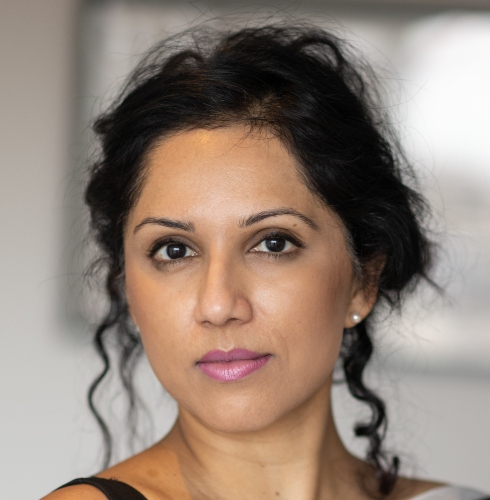
09:00 - 10:00

Clinical Care: Management and Prevention

09:00 - 09:05

Management Pitfalls of Diabetes Ketoacidosis in patients with Chronic Kidney Disease on Dialysis

Pyar Yu Kyi, ST7 Trainee, The University Hospital of North Midlands

09:06 - 09:11

Understanding patient practise: real-world insulin self-management in children and young people with type 1 diabetes

Karen Rigby, PhD Student, University of Bristol

09:12 - 09:17

Finding MODY: Redefining Diabetes and Unlocking Personalized Care within a Young Adult Service (Maturity-Onset Diabetes of the Young project)

Prethivan Gopalakrishnan, Higher Specialty Trainee in Diabetes & Endocrinology, Royal Liverpool University Hospital

09:18 - 09:23

Use of C peptide and Diabetes antibody screen for the classification of diabetes: our experience within a secondary care diabetes clinic

Scott Williams, Consultant Diabetes and Endocrinology, Countess of Chester Hospital

09:24 - 09:29

Incidence of diabetes in women with and without a history of breast cancer: a matched population-based cohort study using electronic health records.

Harriet Daultrey, Academic Clinical Lecturer, Brighton and Sussex Medical School

09:30 - 09:35

Current NICE guidelines for pancreatic cancer screening have poor performance in newly diagnosed suspected type 1 and type 2 diabetes

Daisy Cavendish, 2nd year Medical Student, University of Exeter

09:36 - 09:41

Effectiveness of Oral Semaglutide in a Primary Care setting in the United Kingdom: a Clinical Practice Research Datalink study

Edward Jude

09:42 - 09:47

Weight Changes Following Continuous Glucose Monitoring Initiation in Adults with Type 1 Diabetes: A Nationwide Analysis in Scotland, 2017-2023

William Berthon, Health Data Scientist / Epidemiologist, The University of Edinburgh

09:48 - 09:53

Bridging the gap between screening and care: real-world experience from a national early-stage type 1 diabetes clinic in the UK

Theodora Papanikolaou, Clinical Research Fellow, Paediatrician, Institute of Immunology and Immunotherapy, University of Birmingham

09:54 - 10:00

Discussion and closing remarks
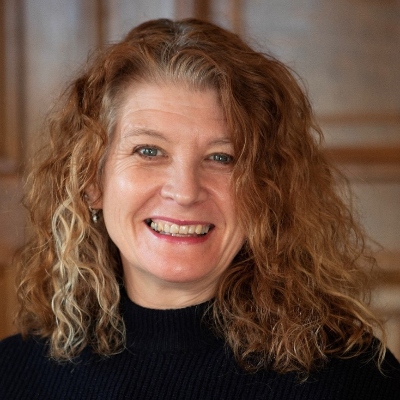
09:00 - 10:00

Clinical Care: Healthcare Delivery and Improvement session

9:00 - 9:15

Structured High HbA1c Pathway: Innovation, Equity, and Transformation in Young Adult Diabetes Care

Tala Balafshan, Diabetes and Endocrinology Consultant, Mersey and West Lancashire Teaching Hospital NHS Trust

9:15 - 9:30

Quality improvement for type 1 diabetes care in resource constrained remote settings:  A data driven approach

Sam Philip, Consultant Diabetologist, NHS Grampian

9:30 - 9:45

Glycaemic outcomes in patients naïve to hybrid closed loop insulin pump therapy in a deprived urban population

Imola Ryan, Diabetes Specialist Nurse, Barts Health NHS Trust

9:45 - 10:00

Discussion and closing remarks

10:00 - 11:00

10:00 - 11:00

Break, poster viewing in Exhibition Hall

60 min

10:00 - 11:00

10:00 - 11:00

Career & collaboration - Commercialisation & translation of research

60

This interactive session will provide our basic and clinical research community with insights into what it takes to move a new discovery from the lab to the real world where people can benefit from it. This panel discussion is an opportunity to ask for advice and reflections from experts who enable research translation and commercialisation through Contract Research Organisations (CROs), biotech and pharma companies, regulatory agencies and health service delivery. This session is hosted by the Type 1 Diabetes Grand Challenge but the discussion will not be limited to type 1 diabetes and will cover all aspects of diabetes research.

10:05 - 10:55

Diabetes UK Professional Interest Network - Wellbeing and emotional support

50 min

Sadly, many people have come to harm or have died due to not self-administering insulin as needed, or administering too much. A recent HSSIB report highlighted these safety concerns and brought into question how services and care systems manage care for people with diabetes where there is a known or undiagnosed mental health problem. This session aims to consider the ramifications of this report and discuss how we can respond and change our practice at a local and strategic level. We will also welcome Professor Richard Holt in his new role as deputy chair of the PSAD group to dicsuss how UK practitioners can link with the global diabetes psychology research and practice community.

Speakers:

  • Dr Lauren Hickling, Clinical Psychologist & Hon Fellow, Norfolk & Norwich University Hospital & Norwich Medical School, University of East Anglia
  • Dr Rose Stewart, Consultant Clinical Psychologist & Diabetes Psychology Lead, BCUHB & Wales Performance and Improvement Unit
  • Dr Nick Woodier, Senior Safety Investigator, Health Services Safety Investigations Body
  • Prof Richard Holt, Professor in Diabetes and Endocrinology, University of Southampton

Chairs:

Dr Lauren Hickling and Dr Rose Stewart

10:10 - 10:55

SS. 13 Sponsored session

45 min

10:10 - 10:55

SS. 14 - Facilitating Meal Boluses with Omnipod 5 Using Custom Foods.

45 min

Join Diabetes Specialist Dietitian Jeny Simpson for a practical case-based session on supporting bolusing behaviour using Custom Foods with Omnipod 5 Hybrid Closed Loop System.

11:00 - 11:40

11:00 - 11:40

N2 - Bill & Pam - Spotting and escalating diabetes-related foot infections in Primary Care

Specialist care Primary care Community care

11:00 - 11:40

N3 - Showcasing innovation in practice – 2025 Quality in Care Diabetes Winners

11:00 - Introduction

Dr Julia Platts, National Clinical Lead for Diabetes in Wales and Consultant in Diabetes and Endocrinology, Cardiff and Vale University Health Board

11.02 - Improving Equity in Hybrid Closed Loop Access for Young Adults with Type 1 Diabetes- Barts Health Young Adult Diabetes (YAD) Service

Soniya Saroya, Senior diabetes specialist dietitian- Young adult service  Barts Health NHS trust

11.12 - STEPPS (Structured Training and Education with Psychological and Peer Support)

Mary Lofty, ST7, Health Education England

Michelle Quinn, Paediatric Diabetes Patient Advocate and Educator, NHS Mersey and West Lancashire Trust

Helen Day, Paediatric diabetes specialist nurse, Southport and Ormskirk hospital

11.22 - How to Manage a Mammoth: A Cbeebies Bedtime Story

Dr Rose Stewart, Consultant Clinical Psychologist/National Lead for Diabetes Psychology, BCUHB/ NHS Wales Performance & Improvement Unit

11.32 - Q&A

11:40 - 12:10

11:40 - 12:10

Poster awards ceremony

30 min

12:10 - 13:25

12:10 - 13:25

Lunch, poster viewing and exhibition

12:10 - 13:25

12:20 - 13:05

SS. 15 Sponsored session

45 min

12:20 - 13:05

SS. 16 Sponsored session

45 min

12:20 - 13:10

Diabetes UK Professional Interest Network - Paediatrics

50 min

This session will bring together paediatric and young adult specialists to discuss the unique challenges facing healthcare professionals working with these age groups. Join us for an engaging discussion which will include input and ideas from the Young Leaders in Diabetes UK’s Together Type 1 community with a view to increasing how many young people can benefit from the TT1 programme.

13:25 - 14:25

13:25 - 14:25

P1 - Ageing well with diabetes: Frailty, function and the fight for equity

Specialist care Primary care Community care Clinical science

60 min

The important topic of caring for older adults with type 1 diabetes is strikingly absent from current NICE guidance and most national frameworks. This symposium will bring together three speakers with extensive clinical and research experience in this area. This issue will be highlighted by an older adult with type 1 diabetes who will share their experience. If you work in primary, secondary or community care, and believe that nobody with diabetes should be left behind, then this symposium will inspire and equip you to ensure the older adults you work with can age well with type 1 diabetes.


13:25 - Chair's opening remarks


13:29 - The intricate relationship between type 1 diabetes, ageing and frailty  

Dr Giuseppe Maltese, Consultant in Diabetes, Endocrinology and Diabetic Medicine, Epsom and St Helier University Hospitals


13:41 - Frailty and glucose variability in type 1 diabetes

Dr Jonathan Golding, Specialist registrar, University Hospitals Sussex


13:53 - Integration of secondary care and community specialist services in the management of diabetes technology in frail people with type 1 diabetes 

Katie Hards, Diabetes specialist nurse - clinical lead adults service, Oxford


14:05 - No Tech to High Tech, Ageing with Type 1 Diabetes

Iain M Lumsden, Lived experience with type 1 diabetes and using technology


14:15 - Q&A

Chairs: 

Dr Giuseppe Maltese, Consultant in Diabetes, Endocrinology and Diabetic Medicine, Epsom and St Helier University Hospitals

Dr Kriss Owen GP partner at Littlewick Medical Centre, Clinical lead for diabetes Derby and Derbyshire ICB

13:25 - 14:25

P2 - CGM and insulin pump in inpatient care: Are we ready yet?

Specialist care Clinical science

60 min

Theme: Technology & innovation, inpatient diabetes care

Continuous glucose monitoring (CGM) and insulin pumps are transforming outpatient diabetes care, yet their role in inpatient settings remains variable and uncertain.

This session brings together national clinical, nursing, educational, and research expertise to examine the current evidence, guideline position, and real-world readiness for diabetes technologies in hospital care. Speakers will explore practical challenges including governance, safety, staff training, and system capability, drawing on current national and comparable international guidance (JBDS-IP, DTN-UK, American Diabetes Association and European Association for the Study of Diabetes), as well as widely adopted inpatient education resources.

A focused review of the evidence base will highlight emerging data alongside important gaps that continue to limit confident adoption, helping delegates understand what is known, what remains unclear, and what future research is needed.

By the end of this session, delegates will be able to:

1. Describe the current evidence and guideline position for CGM and insulin pump use in inpatient care

2. Identify key practical, educational, and workforce requirements for safe implementation

3. Recognise current evidence gaps and their implications for clinical decision-making

4. Contribute more confidently to local and national discussions on readiness, risk, and opportunity


13:25 - Current and Emerging Inpatient Diabetes Technologies: Where Are We Now?'

Dr Parizad Avari, Consultant Diabetologist, Imperial College Healthcare NHS Trust & Honorary Clinical Lecturer in Digestion and Reproduction, Imperial College London


13:45 - 'Are Doctors Ready? Training the Medical Workforce for Inpatient Diabetes Technologies'.

Dr Mayank Patel, Consultant Diabetologist, University Hospital Southampton NHS Foundation Trust & Committee member, Diabetes UK Healthcare Professional Advisory committee


13:55 - 'From Policy to Practice: Supporting Nursing Teams with Inpatient Diabetes Technologies'.

Paula Johnston, Diabetes Specialist Nurse, University Hospital Southampton NHS Foundation Trust 


14:05 - 'Is the Evidence Strong Enough? System Readiness and the Current Evidence Base'.

Dr Kalyaani Persad, FY1 Doctor, Sandwell and West Birmingham Hospitals NHS Trust


14:15 - Panel discussion and Q&A

13:25 - 14:25

P3 - Diabetes and the liver: A multisystem approach to a neglected silent complication

60 min

13:25 - Diabetes and MASLD; Linking pathogenesis and treatment

Professor Jeremy Tomlinson, Professor of Metabolic Endocrinology, Consultant Endocrinologist, Oxford Centre for Diabetes, University of Oxford


13:40 - Risk stratifying and judicious treatment of MASLD; non-invasive tools and emerging therapies

Professor Stuart McPherson, Consultant Hepatologist, The Newcastle upon Tyne Hopsitals NHS Foundation Trust


13:55 - MASLD Diagnosis and management in primary care

Dr Sangeetha Steevart, GP, Helsby Street Medical Centre & Clinical Director, Warrington Place


14.10 - Panel discussion & Q&A

13:25 - 14:25

P4 - The D-Stress Study: How Diabetes UK Research Funding Shaped the Development of the EASD Guidelines for Diabetes Distress

Community care

60 min

Specialism: Community care

The D-stress study is a 5-yr programme to develop and evaluate a care pathway for the assessment, prevention and management of diabetes distress in adults with type 1 diabetes and type 2 diabetes. Realist reviews to develop theories (or logic models) for how the D-stress care pathway may work underpinned the development of eight Good Practice Statements for the Assessment of Diabetes Distress in the EASD Clinical Guidelines on this topic 2026. D-stress pre-existed the development of the Guideline Clinical Recommendations for adults with type 1 diabetes but nevertheless embodies them. The presentation will introduce the conference to the 2026 EASD Clinical Guidelines for the Assessment and Management of Diabetes Distress and how the D-stress study will deliver a care pathway for delivering them in the UK.


13:25 - Chair's opening remarks
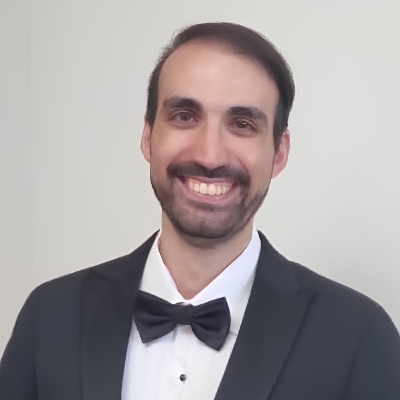
Richard Holt, Professor in Diabetes & Endocrinology, University of Southampton
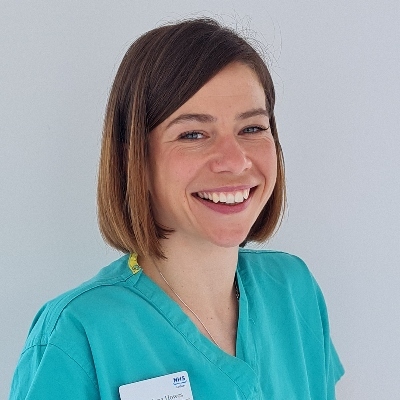

13:30 - What Diabetes Distress means to someone living with it: a perspective from type 1 diabetes and type 2 diabetes
Michelle Law, Person living with type 1 diabetes and Honorary Professor, Exeter University

Mark Tiller, Person living with type 2 diabetes


13:45 - Introduction to the D-stress care pathway and research programme

Jackie Sturt, Professor of Behavioural Medicine in Nursing, King's College London


13:55 - EASD Guideline Good practice statements for the assessment of DD

Richard Holt, Professor in Diabetes & Endocrinology, University of Southampton


14:02 - How might comprehensive assessment of Diabetes Distress work and does it work differently for adults with type 1 diabetes and type 2 diabetes?

Ruth Harris, Professor of Healthcare for Older Adults, King's College London


14:10 - EASD Clinical recommendations for the management of Diabetes Distress in type 1 diabetes

Richard Holt, Professor in Diabetes & Endocrinology, University of Southampton


14:18 - How might a group, online, psychosocial intervention reduce elevated DD in type 2 diabetes?

Megan Peck, Research Assistant and D-stress doctoral candidate, King's College London

13:25 - 14:25

P5 - Puberty, fertility, and reproductive choices in diabetes

Specialist care Clinical science

60 min

Themes: Women's health, psychosocial care

Specialisms: Clinical science and Specialist care


To summarise key challenges faced by women with T2D and to update attendees on the latest developments in these fields.


13.25  - Pubertal timing and risk of type 2 diabetes

Ken Ong, Professor of Paediatric Epidemiology, University of Cambridge


13.45 - Fertility challenges in women with diabetes

Caroline Ovadia, Clinical Senior Lecturer, Centre for Reproductive Health, University of Edinburgh


14.05 - Navigating cultural barriers to contraceptive use

Hina Jawaid, GP

13:25 - 14:25

P6 - FreeDM2: CGM Access Equity in Type 2 Diabetes - Lived experience and quality of life

Specialist care Primary care Community care Clinical science

60 min

Specialisms: Clinical science, Community care, Specialist care and Primary care


This interactive session examines how widening access to CGM for people living with type 2 diabetes may improve lived experience and quality of life, drawing on quantitative and qualitative outcomes from the FreeDM2 study.

Investigators and a study participant will explore the impact of CGM on lifestyle behaviours, wellbeing, and day-to-day diabetes management, including patient-reported outcomes and qualitative insights. The session will conclude with a facilitated panel discussion and audience interaction, focusing on access equity, real-world implementation, and what meaningful CGM adoption could look like for people with type 2 diabetes across diverse communities.


13:25 - Introduction

Professor Ramzi Ajjan, Consultant Diabetologist, Leeds Teaching Hospitals NHS Trust & Professor of Metabolic Medicine, University of Leeds


13:30 - Summary of glycaemic outcomes from FreeDM2 study

Dr Sankalpa Neupane, Consultant in Diabetes and Endocrinology, Norwich University Hospitals NHS Foundation Trust & Honorary Associate Professor, University of East Anglia

Professor Mark Evans, Professor of Diabetic Medicine, University of Cambridge & Consultant in Diabetes and Endocrinology, Cambridge University Hospitals NHS Foundation Trust


13:40 - Physical activity and diet outcomes

Professor Tom Yates, Professor of Physical Activity, Sedentary Behaviour and Health, University of Leicester


13:50 - Insights from qualitative interviews and PROMs

Professor Katharine Barnard-Kelly PhD, Professor of Health Psychology, Spotlight-AQ Ltd


14:00 - Interview with FreeDM2 study participant with lived experience

Mr Kamran Rashid and Dr Emma Wilmot

14:35 - 15:35

14:35 - 15:35

Closing plenary - Diabetes leadership in a time of austerity and inequality

60 min

Featuring Prof Helen Bevan, Prof Guy Lubitsh, and a Liverpool-based NHS leader, this closing plenary will explore how leadership values, behaviours, and structures can adapt in response to financial constraints, workforce shortages, and rising demand across the diabetes care pathway.

Each speaker will bring a distinct perspective. The Liverpool-based leader will provide a local anchor, sharing lived leadership experience from the host region. Prof Guy Lubitsh will draw on organisational psychology and leadership expertise to show how teams can adapt and thrive in challenging contexts. Prof Helen Bevan will inspire delegates to see themselves as change agents, leaving with the confidence and tools to lead for equity and innovation.

The session brings together the conference’s core themes of equity, collaboration, and innovation, combining personal insights from NHS system leaders with values-based approaches to inspire delegates with practical ideas they can take back to their own settings.