16:15 - 16:45 - Diabetes UK Nursing and Allied Healthcare Professional Diabetes Research Award
Chairs:
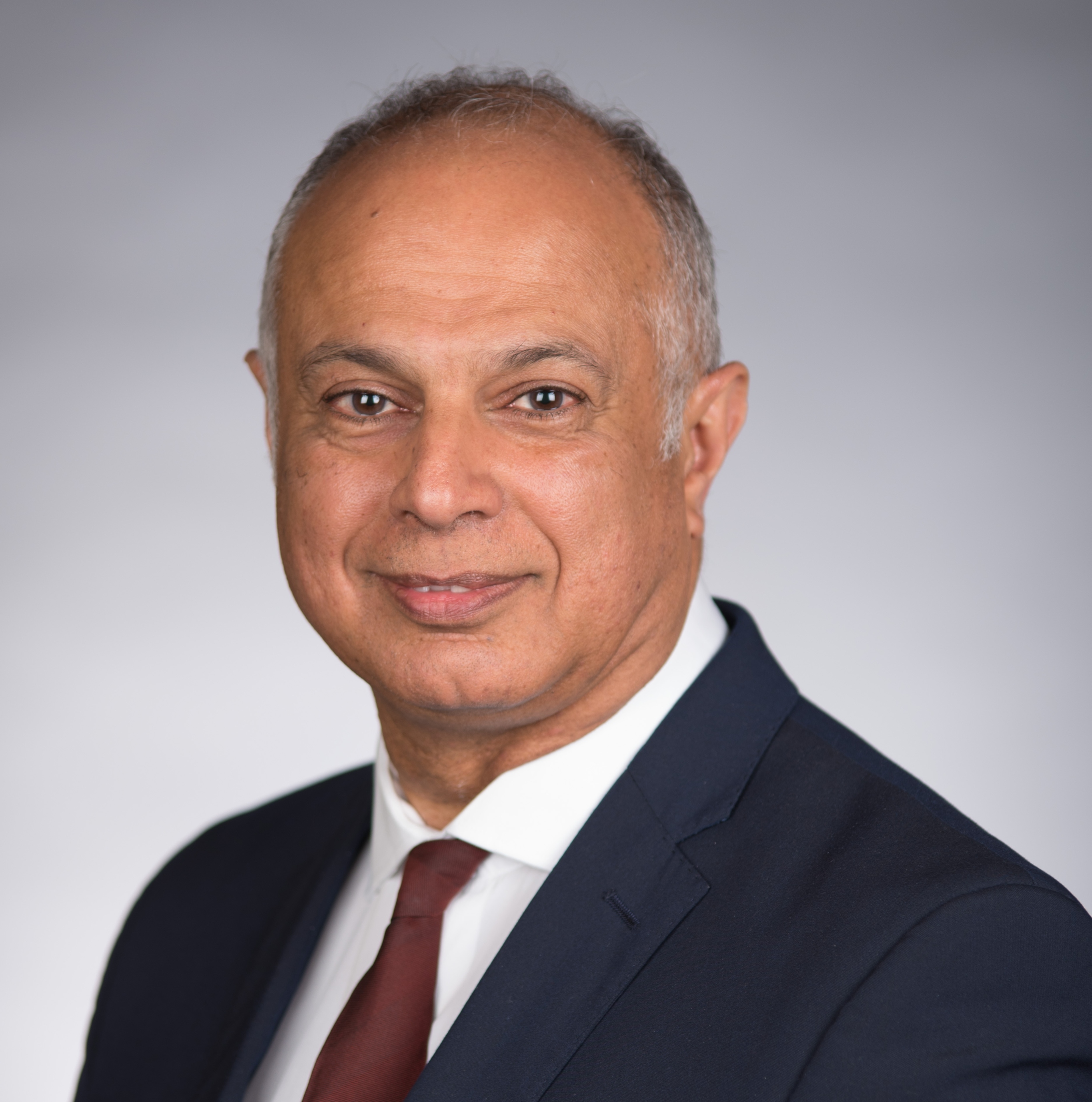
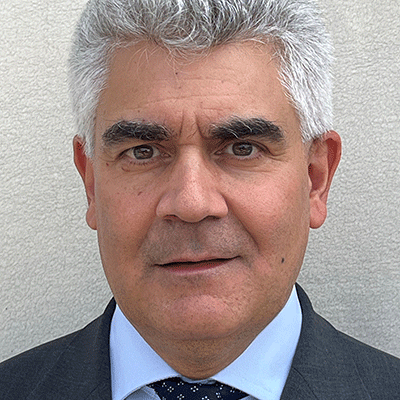
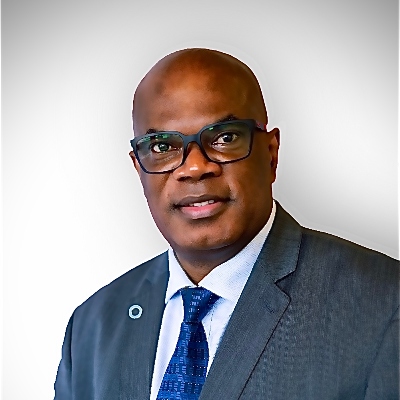
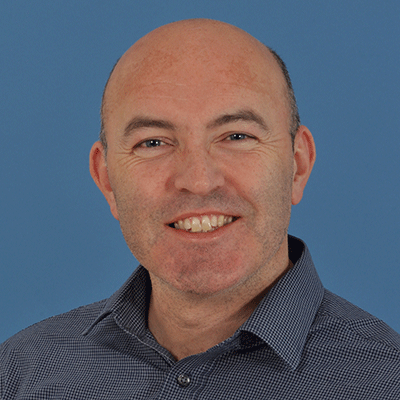
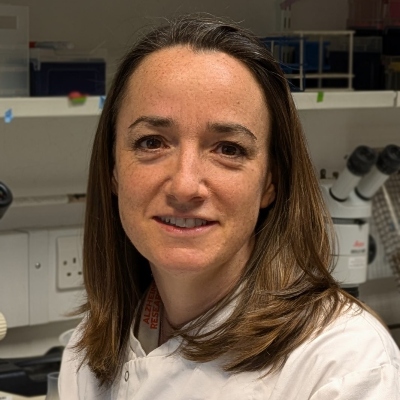
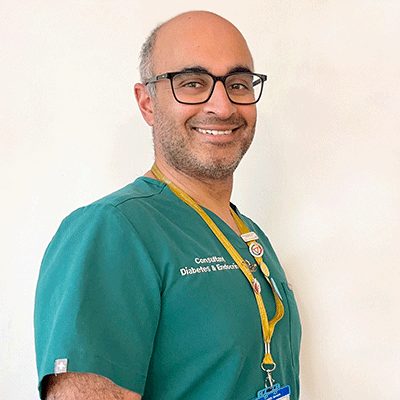
Dr Reza Zaidi, Consultant, Royal Liverpool & Broadgreen University Hospitals NHS Trust
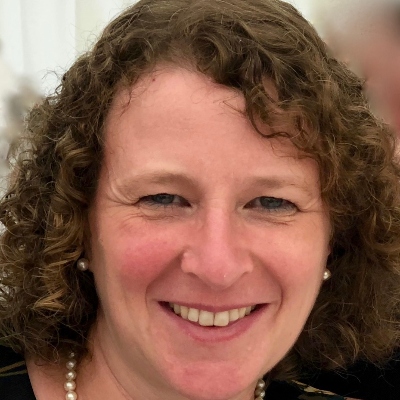
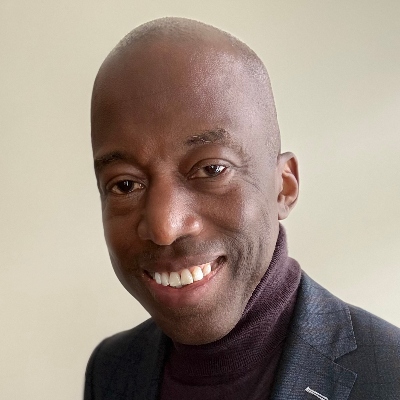
Juliette Palmer, Diabetes Specialist Nurse, Brownlow Health Liverpool
Speakers:
16:15 - 16:20
Service evaluation of an inner London acute NHS trust to determine whether there is equitable access to insulin pumps for people with T1DM
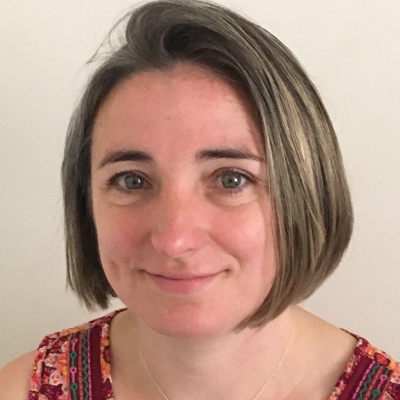
Eva Sheriene Casiechetty, Diabetes Specialist Nurse, St. Georges NHS Hospital Trust
16:21 - 16:26
Can diet and lifestyle education supported by continuous glucose monitoring replace the need for insulin in type 2 patients referred to group start sessions?
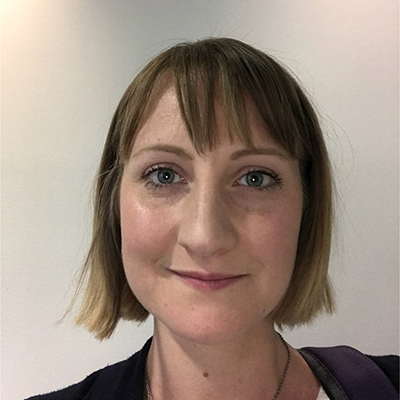
Isabelle Harrison, Dietitian, Newcastle upon Tyne Hospitals NHS Foundation Trust
16:27 - 16:32
The reliability of NEWS2 score and White Cell Count in assessing diabetic foot infection
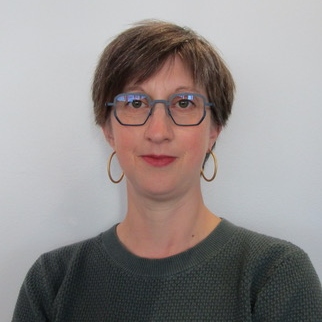
Stephanie Tang, Senior podiatrist, King's College Hospital NHS Foundation Trust
16:33 - 16:38
Impact of neurodivergence on diabetes care and clinical outcomes: A Systematic Review
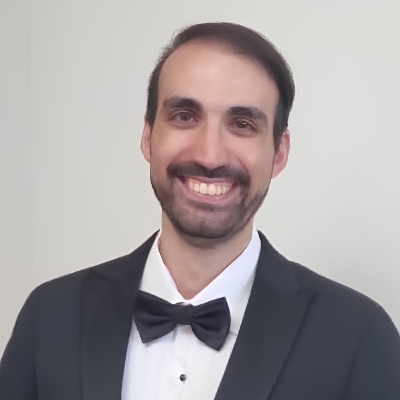
Thomas Johnston, Diabetes Specialist Nurse, Guy's & St Thomas
16:39 - 16:44
Rising Demand for Inpatient Palliative Care Among Adults with Diabetes in the UK: A 9-Year Retrospective Analysis (2017–2025)
Jason Cheung, Consultant Diabetologist, Norfolk and Norwich University Hospital NHS Foundation Trust
Diabetes UK Primary Care Award
Chairs:
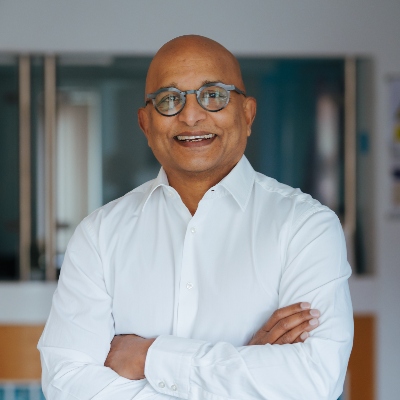
Professor Samuel Seidu, Professor of Primary Care Diabetes and Cardiometabolic Medicine, University of Leicester
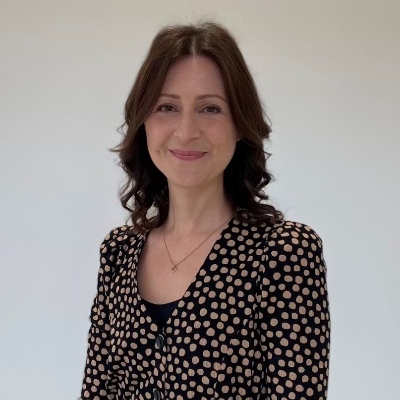
Nicola Milne, Practice Nurse, Northenden Group Practice
Speakers:
16:45 - 17.15
Progression from normal glucose handling to non-diabetic hypergycaemia – Development and Validation of an Incident Pre-diabetes Prediction Model
Aidan Ines, Chief Data Analyst, Nuffield Health Care
16:51 - 16:56
Managing diabetes mellitus in people with neuroendocrine tumours: pathophysiological insights and treatment approaches.
Muhammad Dr Associate Nizam, Associate Professor, SAPHO / Diabetes UK Aylesbury
16:57 - 17:02
Global guideline target achievements in glycaemic, blood pressure, and lipid control in type 2 diabetes: An updated meta-analysis of 1,618,972 participants
Ghanshyam Kacha, GP/Academic Clinical Fellow, University of Leicester
17:03 - 17:08
Changing pattern of GP referrals: experience from a community diabetes clinic
Jyoti Balani, Consultant Diabetologist, Epsom & St Helier NHS Trust
17:09 - 17:15
Discussion and closing remarks